
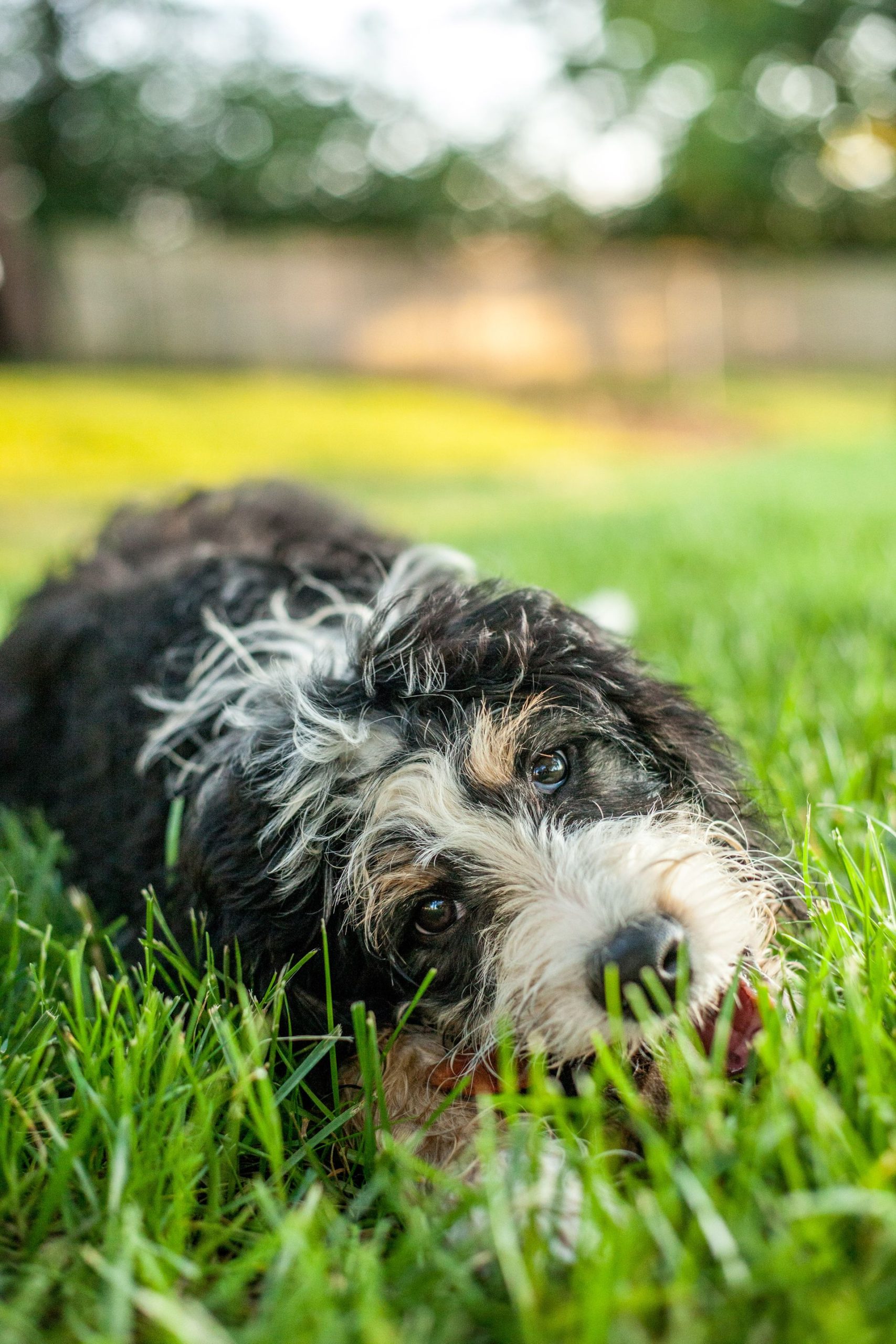
Bernedoodle Travel Guide: How to Prepare Your Dog for Road Trips and Adventures
Traveling with a Bernedoodle can be a fun way to include your dog in family adventures. Whether you are taking a short weekend trip, visiting relatives, heading to a cabin, or planning a longer road trip, a little preparation can make the experience much easier.
Bernedoodles are often happiest when they can be part of the family, but traveling introduces unfamiliar surroundings, different routines, new noises, and unexpected situations. A dog that is comfortable at home may need some time to adjust to a new environment.
The key to successful travel is preparation. Instead of waiting until the morning of a major trip to figure everything out, owners can gradually teach their Bernedoodle how to handle different parts of the travel experience.
Start Preparing Before the Trip
The best time to prepare for a trip is before you actually leave.
Think about everything your Bernedoodle will experience during the journey.
This may include:
* Getting into a vehicle
* Spending time in the car
* Stopping at unfamiliar places
* Staying somewhere new
* Walking in unfamiliar areas
* Meeting people
* Encountering new sounds
* Following a different daily routine
* Sleeping somewhere other than home
Breaking the trip into smaller experiences can make preparation easier.
A dog does not need to experience an entire road trip at once to learn how to travel comfortably.
Take Short Practice Drives
If your Bernedoodle is not accustomed to longer car rides, begin with short trips.
Start with a drive around the neighborhood or a quick trip to another familiar destination.
Gradually increase the length of the rides as your dog becomes comfortable.
Practice trips can also help you discover how your Bernedoodle behaves in the vehicle.
Some dogs settle down almost immediately. Others may become restless or vocal.
Knowing your dog’s tendencies before a major trip gives you time to make adjustments.
Use Proper Vehicle Restraint
One of the most important parts of traveling with a dog is keeping the dog safely secured.
A loose dog inside a moving vehicle can become a distraction and may be at greater risk during sudden braking or an accident.
Depending on your vehicle and your dog’s size, options may include a properly secured travel crate or a crash-tested canine restraint system designed for vehicle use.
Avoid allowing your Bernedoodle to ride loose in the driver’s area.
The driver needs to remain focused on the road, while the dog needs a stable and secure location.
Don’t Let Your Dog Ride With Its Head Out the Window
Many dogs appear to love sticking their heads outside during a drive.
Although it may look enjoyable, it creates unnecessary risks.
Flying debris, insects, sudden movements, and unexpected braking can cause injuries. A dog leaning against an open window may also be at risk of falling or escaping.
Keep your Bernedoodle safely inside the vehicle and use appropriate restraints.
If your dog enjoys fresh air, make sure ventilation is provided in a safe manner.
Plan Your Route Around Your Dog
A road trip with a Bernedoodle requires more planning than simply entering a destination into a navigation app.
Consider where you can safely stop along the way.
Look for appropriate locations where your dog can stretch, take a bathroom break, and relax.
Long stretches without a break can be difficult for dogs, especially puppies and older dogs.
Your route should also account for weather conditions, traffic, road construction, and the availability of pet-friendly stops.
A few minutes of planning can prevent unnecessary stress later.
Pack a Bernedoodle Travel Bag
Keeping a dedicated travel bag for your dog can make preparation much easier.
Important items may include:
* Leash and collar
* Identification information
* Harness if your dog normally uses one
* Food and water supplies
* Bowls
* Waste bags
* Familiar toys
* A comfortable blanket or bed
* Grooming supplies
* Towels
* Cleaning supplies
* Any regularly used medications
* Veterinary records when appropriate
* Emergency contact information
Bring enough supplies for the entire trip plus some extra in case your plans change.
A familiar blanket or toy can also help make an unfamiliar hotel, cabin, or rental property feel more recognizable.
Bring Familiar Items From Home
Dogs rely heavily on familiar smells.
When traveling somewhere new, bringing familiar items can help your Bernedoodle settle into the new environment.
A blanket, bed, toy, or other familiar item can provide a sense of continuity.
You do not need to bring everything your dog owns.
A few familiar items can be enough to make a temporary environment feel less unfamiliar.
Keep Your Dog’s Routine as Consistent as Possible
Travel naturally changes your schedule, but maintaining some familiar routines can help.
Try to keep important parts of the day relatively predictable.
For example, bathroom breaks, meals, rest periods, and bedtime can remain close to your normal routine when practical.
The exact schedule does not need to be identical.
The goal is simply to give your Bernedoodle familiar patterns while everything else around it is changing.
Plan Pet-Friendly Accommodations Carefully
Not every hotel, rental, campground, or vacation property has the same pet rules.
Before arriving, confirm that the property allows dogs and check any restrictions.
Some properties may have:
* Size limits
* Breed restrictions
* Additional fees
* Rules about leaving dogs unattended
* Designated bathroom areas
* Restrictions on furniture
* Leash requirements
Understanding the rules before arriving prevents surprises.
If staying in a rental home, inspect the property when you arrive and identify any potential hazards before allowing your Bernedoodle to explore freely.
Give Your Bernedoodle Time to Explore
A new environment can be exciting.
Your Bernedoodle may want to sniff every corner of a hotel room, cabin, rental property, or vacation home.
Allowing controlled exploration can help your dog become familiar with the surroundings.
There is no need to immediately give the dog access to an entire unfamiliar property.
Start with a manageable area.
Once your Bernedoodle appears comfortable, gradually expand access.
This also makes it easier for you to notice hazards.
Be Careful Around Unfamiliar Doors and Fences
Dogs that are normally reliable at home may behave differently in unfamiliar locations.
An unfamiliar environment can create unexpected opportunities for escape.
Before allowing your Bernedoodle outside, inspect gates and fencing.
Make sure doors close securely.
Pay attention when people enter and leave the property.
Never assume that an unfamiliar yard is secure simply because it appears enclosed.
This is particularly important at vacation rentals, cabins, campgrounds, and other temporary accommodations.
Carry Identification Information
Identification becomes especially important when traveling.
Your Bernedoodle should have appropriate identification, and owners should make sure their contact information is current.
A microchip can provide another identification method, but it is important that the associated registration information remains up to date.
Before leaving home, verify that your contact information is accurate.
Travel is not the ideal time to discover that an old phone number is still attached to your dog’s records.
Bring Veterinary Information
You may never need your dog’s veterinary records during a trip, but having important information available can be useful.
Consider keeping accessible copies of:
* Vaccination records
* Medication information
* Veterinary contact details
* Emergency contact information
* Relevant health records
If traveling far from home, identify veterinary hospitals near your destination before you arrive.
That way, you are not searching for one during an emergency.
Plan for Weather Changes
Weather can change quickly during travel.
A trip that begins with comfortable temperatures may involve very different conditions several hours later.
Check the forecast for your destination and planned stops.
Consider how your Bernedoodle will handle:
* Rain
* Snow
* Cold
* Heat
* Strong wind
* Wet conditions
Travel plans should remain flexible enough to protect your dog from uncomfortable or unsafe weather.
Never Leave Your Dog Alone in a Hot Vehicle
A parked vehicle can become dangerously hot very quickly, even when the outside temperature does not initially feel extreme.
Never assume that cracking a window makes a parked car safe for your Bernedoodle.
If your destination does not allow dogs inside, plan accordingly.
When traveling during warmer weather, consider how stops will affect your dog before leaving home.
Your itinerary should prioritize your dog’s safety rather than forcing your dog to wait in a parked vehicle.
Keep Rest Stops Calm
Road trips can be stimulating.
Every stop introduces new smells, sounds, people, and surroundings.
Try to keep rest stops organized and controlled.
Before opening the vehicle door, make sure your Bernedoodle is securely attached to its leash or otherwise safely restrained.
An excited dog can move quickly when the door opens.
Take care of bathroom needs, allow your dog to stretch, provide water when appropriate, and then return to the vehicle calmly.
Don’t Let Every Stop Become a Social Event
Your Bernedoodle does not need to greet every person or dog encountered during a road trip.
Some stops may be busy, crowded, or unpredictable.
Allow your dog to focus on the immediate task of taking a break and returning safely to the vehicle.
Keeping unnecessary interactions to a minimum can make travel less overwhelming.
Traveling With a Puppy
Puppies require additional planning.
A young Bernedoodle may not have the same travel experience as an adult dog and may need more frequent bathroom breaks.
Puppies also have shorter attention spans and may become tired or overstimulated more easily.
Keep the journey manageable and provide appropriate opportunities for rest.
If your puppy is still completing its vaccination series, ask your veterinarian about appropriate precautions when visiting public areas during travel.
Traveling With an Adult Bernedoodle
Adult dogs may be more accustomed to traveling, but every dog is different.
Some adults settle into a vehicle easily, while others remain restless during long drives.
Do not assume that age automatically means a dog is comfortable with every type of travel.
Continue paying attention to your individual Bernedoodle’s behavior and make adjustments when needed.
Traveling With an Older Bernedoodle
Older dogs may need additional consideration.
Long periods in a vehicle can be harder on a senior dog, particularly if getting up, lying down, or walking has become more difficult.
Plan more frequent opportunities to stop and move around comfortably.
A supportive resting surface may also be helpful.
If your older Bernedoodle has specific health needs, discuss longer travel plans with your veterinarian before leaving.
Keep Emergency Supplies Accessible
An emergency kit should be easy to reach rather than buried beneath luggage.
Consider keeping supplies such as:
* Extra towels
* Waste bags
* Disposable gloves
* Cleaning materials
* Extra water
* Flashlight
* Basic first-aid supplies
* Spare leash
* Extra identification information
The purpose of an emergency kit is preparation.
If something unexpected happens, having basic supplies immediately available can make the situation easier to manage.
For specific medical first-aid questions, consult your veterinarian rather than relying solely on general travel advice.
Be Careful With Unfamiliar Outdoor Areas
A vacation destination may contain hazards that are not present around your home.
Your Bernedoodle may encounter:
* Wildlife
* Unknown plants
* Open water
* Steep terrain
* Unfamiliar fencing
* Agricultural areas
* Traffic
* Construction
* Sharp objects
Keep your dog under appropriate control and inspect unfamiliar areas before allowing extensive exploration.
Being in a new location is not the time to assume everything is safe simply because it looks harmless.
Camping and Outdoor Trips
Bernedoodles can be enjoyable companions for outdoor adventures, but camping requires additional preparation.
Before taking your dog camping, think about the environment.
Where will your Bernedoodle sleep?
Where will water come from?
How will you handle waste?
What happens if the weather changes?
Are dogs permitted?
What wildlife is present?
How secure is the campsite?
Your dog should remain appropriately controlled around campfires, cooking areas, unfamiliar animals, and other potential hazards.
Give Your Bernedoodle Time to Rest During Travel
Travel can be mentally tiring even when the dog is not doing much physical activity.
There are new smells, sounds, movements, and surroundings to process.
Do not assume that a dog needs constant entertainment throughout a trip.
Quiet downtime can be valuable.
Once you arrive at your destination, allow your Bernedoodle to settle rather than immediately filling the schedule with activities.
A relaxed dog is generally easier to travel with than an overstimulated one.
Maintain Good House Manners While Traveling
Traveling does not mean household rules should disappear.
If your Bernedoodle is not normally allowed on certain furniture, maintain the same expectations in a hotel or rental property.
If your dog normally waits before going through doors, continue practicing that behavior.
Keeping familiar rules consistent can help your dog understand that the destination may be different, but the household expectations remain familiar.
Prepare for Unexpected Delays
Road trips rarely go exactly according to plan.
Traffic can increase.
Weather can change.
A reservation can take longer than expected.
A vehicle may need maintenance.
For this reason, bring extra supplies rather than packing everything based on the exact number of hours you expect to be gone.
A little extra food, water, cleaning material, and other necessities can make an unexpected delay much easier.
Returning Home
The trip does not necessarily end when you arrive home.
Your Bernedoodle may be tired after several days of unfamiliar experiences.
Give your dog time to return to the normal household routine.
Resume familiar sleeping, bathroom, feeding, and activity schedules.
Some dogs may sleep more after a busy trip simply because they are recovering from the excitement and stimulation of traveling.
Final Thoughts on Traveling With a Bernedoodle
Traveling with a Bernedoodle can create wonderful opportunities to spend more time together and introduce your dog to new experiences.
Successful trips are built on preparation.
Start with short practice drives, use appropriate vehicle restraints, bring familiar items, maintain predictable routines, secure your dog in unfamiliar environments, and plan ahead for weather and unexpected changes.
Most importantly, remember that your Bernedoodle is an individual.
Some dogs naturally enjoy traveling and settle quickly in new environments. Others need more preparation and patience.
There is no need to turn every trip into an adventure packed with activities. Sometimes the best travel experience is simply a calm ride, a safe place to rest, and time spent together.
With thoughtful planning and attention to your dog’s comfort and safety, your Bernedoodle can become a reliable companion for many different kinds of family adventures.
Read Next: Bernedoodle Separation Training: How to Help Your Dog Become Comfortable Alone