
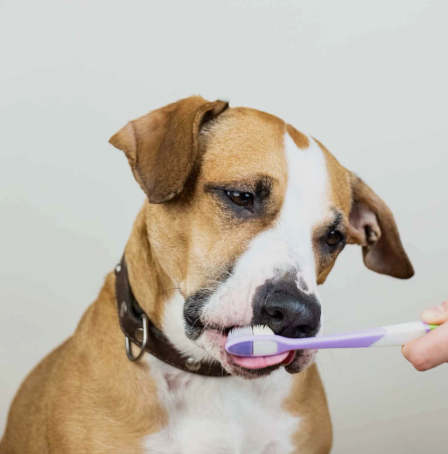
Bernedoodle Dental Care: How to Keep Your Dog’s Teeth Clean and Healthy
Bernedoodles are known for their affectionate personalities, playful energy, and wonderful companionship. Like every dog, however, they need regular dental care to stay comfortable and healthy throughout their lives. Although it is easy to focus on feeding, exercise, and coat maintenance, dental health is another important part of responsible Bernedoodle ownership.
Without proper care, plaque can build up on your dog’s teeth, eventually hardening into tartar. Over time, this buildup may contribute to inflamed gums, bad breath, and periodontal disease. Dental problems can also cause discomfort that makes eating and playing less enjoyable.
The good news is that establishing a dental care routine does not have to be difficult. With patience, appropriate dental products, and regular veterinary examinations, you can help your Bernedoodle maintain healthier teeth and gums from puppyhood through adulthood.
In this guide, we will explain how to care for your Bernedoodle’s teeth, introduce tooth brushing gradually, recognize potential dental problems, and make oral hygiene a manageable part of your dog’s daily routine.
Why Dental Care Matters for Bernedoodles
Bernedoodles inherit characteristics from the Bernese Mountain Dog and Poodle. Their size, coat, and other physical traits can vary depending on their parents and breeding. Regardless of those differences, every Bernedoodle benefits from consistent dental care.
Plaque is a sticky film containing bacteria that forms on teeth. If it is not regularly removed, it can combine with minerals in saliva and harden into tartar. Once tartar develops, ordinary brushing may not remove it completely.
As dental disease progresses, the gums can become inflamed and begin pulling away from the teeth. More advanced periodontal disease can damage the tissues supporting the teeth and may eventually result in tooth loss.
Dental discomfort is not always obvious. Some dogs continue eating even when their mouths hurt, which means owners may not recognize a problem until it becomes more advanced.
Maintaining oral hygiene helps reduce plaque accumulation, supports healthier gums, and gives you an opportunity to notice changes in your dog’s mouth before they become more serious.
When Should You Start Brushing Your Bernedoodle’s Teeth?
Ideally, you should begin introducing dental care while your Bernedoodle is still a puppy. Young puppies can gradually become comfortable with having their mouths handled, making it easier to establish a routine as they mature.
However, you can teach an adult Bernedoodle to accept tooth brushing, too. The important thing is to proceed patiently rather than forcing the process.
Start by allowing your puppy to become comfortable with gentle handling around the face. During calm moments, briefly touch the outside of the muzzle and reward relaxed behavior with praise or a small, appropriate treat.
Once your puppy accepts this, gradually introduce gentle lip lifting so you can briefly see the teeth and gums. Keep these early sessions short and positive.
Next, let your dog investigate a dog-specific toothbrush and toothpaste. Allowing your Bernedoodle to smell and taste the toothpaste can help make the new experience less unfamiliar.
Do not expect your dog to accept a complete tooth-brushing session immediately. Building trust is more important than rushing through the steps.
If your Bernedoodle becomes anxious, pulls away, or struggles, pause and return to an easier step. If mouth handling causes significant distress or your dog shows signs of pain, consult your veterinarian before continuing.
Choosing the Right Toothbrush and Toothpaste
Using appropriate dental products makes brushing safer and more effective.
A soft-bristled toothbrush designed for dogs is generally a good starting point. Choose a size that allows you to reach your Bernedoodle’s teeth comfortably without forcing the brush into the mouth.
Some owners prefer a small pet toothbrush, while others use a dog-specific finger brush. A finger brush may provide greater control for certain dogs, although it is important to avoid placing your fingers where your dog could accidentally bite.
Toothpaste selection is equally important.
Always use toothpaste specifically formulated for dogs. Human toothpaste is not appropriate because it may contain ingredients that dogs should not swallow, including xylitol in some products. Xylitol is toxic to dogs.
Dog toothpaste also comes in flavors designed to make brushing more appealing. Experimenting with an appropriate flavor may help your Bernedoodle become more willing to participate.
You do not need an elaborate collection of dental products to get started. A suitable toothbrush, dog-safe toothpaste, and a consistent routine are the essential foundations.
If your Bernedoodle has sensitive gums, existing dental problems, or a history of oral discomfort, ask your veterinarian which products and brushing techniques are most appropriate.
How to Brush Your Bernedoodle’s Teeth Step by Step
Once your dog is comfortable with mouth handling and dental products, you can begin a regular brushing routine.
Step 1: Choose a Calm Time
Choose a moment when your Bernedoodle is relaxed rather than excited about a walk, meal, or play session.
A quiet environment with minimal distractions can make the experience easier. Keep your supplies nearby so you do not need to interrupt the session.
Step 2: Lift the Lips Gently
You generally do not need to open your dog’s mouth widely to begin brushing. Gently lift the lips to expose the outer surfaces of the teeth.
Many dogs accumulate plaque along these surfaces, so they are a practical place to start.
Move slowly and watch your dog’s body language. Relaxed muscles and a willingness to remain nearby are encouraging signs that your dog is becoming comfortable.
Step 3: Introduce the Toothbrush
Apply a small amount of dog toothpaste according to the product directions.
Begin with a few gentle strokes along the outer surfaces of the teeth. Use light pressure and a controlled motion rather than scrubbing aggressively.
Pay attention to the area where each tooth meets the gumline, as plaque commonly accumulates there.
You do not need to brush every tooth during the first session. It is better to complete a short, positive session than to create a negative association by pushing too far.
Step 4: Gradually Increase Brushing Time
As your Bernedoodle becomes more comfortable, gradually work toward brushing all accessible teeth.
Pay attention to the back teeth, which can be difficult to reach but are important to include in your routine.
Keep sessions calm and reward cooperation with praise. If your dog becomes uncomfortable, stop and try again later.
Step 5: Aim for Daily Brushing
Daily tooth brushing is generally considered the gold standard for helping control plaque in dogs.
If brushing every day is initially difficult, start with short sessions and work toward a consistent schedule. Even a gradual introduction can help establish a useful habit.
Remember that brushing is intended to prevent buildup, not replace professional treatment for existing dental disease.
What If Your Bernedoodle Refuses Tooth Brushing?
Some Bernedoodles accept brushing quickly, while others need more time. Their intelligence does not mean they will automatically enjoy every new activity.
If your dog resists, consider whether the brush is uncomfortable, the toothpaste is unfamiliar, or the process is moving too quickly.
Return to an easier step, such as touching the muzzle and rewarding calm behavior. Over several sessions, gradually progress to lifting the lips, touching the teeth, and introducing the brush.
You can also experiment with a different dog toothbrush or toothpaste flavor if your veterinarian agrees.
Avoid chasing your dog around the house with the toothbrush or holding your dog down to complete the session. These approaches can increase fear and make future dental care more difficult.
If your dog consistently reacts with pain, growling, snapping, or intense distress, seek veterinary guidance. A behavioral professional may also help when fear is the primary obstacle.
Dental Chews and Water Additives: Are They Helpful?
Tooth brushing is not the only tool available for supporting your Bernedoodle’s oral health. Certain dental chews, diets, and water additives may help reduce plaque or tartar when used appropriately.
However, these products vary in effectiveness, and none should automatically be treated as a replacement for brushing or veterinary dental care.
When selecting a dental chew, look for products with evidence supporting their dental benefits. The Veterinary Oral Health Council maintains a list of accepted products that meet its standards for reducing plaque or tartar when used as directed.
Choose a chew that is appropriate for your dog’s size and chewing habits. Avoid products that are excessively hard, since very hard objects can fracture teeth. Supervise your dog while chewing and follow the manufacturer’s instructions.
Water additives should also be formulated specifically for dogs. Ask your veterinarian whether a particular product is suitable for your Bernedoodle, especially if your dog takes medication or has an existing health condition.
Dental products can be useful additions to your dog’s routine, but they should complement regular brushing rather than replace it.
Signs of Dental Problems in Bernedoodles
Regularly observing your Bernedoodle’s mouth can help you notice changes that deserve veterinary attention.
Potential warning signs include:
Persistent bad breath.
Red, swollen, or bleeding gums.
Yellow or brown deposits on the teeth.
Drooling more than usual.
Dropping food while eating.
Chewing primarily on one side of the mouth.
Reluctance to eat hard food or chew toys.
Pawing at the mouth or rubbing the face.
Loose, broken, or discolored teeth.
Swelling around the face or jaw.
Bad breath is particularly easy to overlook because owners sometimes assume it is normal for dogs. Persistent unpleasant breath can indicate plaque accumulation, gum disease, or another health problem.
Contact your veterinarian if you notice these signs. Facial swelling, significant bleeding, severe pain, or difficulty eating warrants prompt veterinary attention.
Do not attempt to scrape tartar off your dog’s teeth with household tools. Doing so can injure the gums, damage tooth surfaces, or leave underlying disease untreated.
Why Professional Dental Cleanings Are Important
Even dogs that receive regular brushing may eventually need professional dental care.
Veterinary dental examinations allow your veterinarian to assess the teeth, gums, and other structures in your dog’s mouth. When a cleaning is needed, veterinary professionals can remove accumulated deposits from accessible and below-the-gumline surfaces.
A comprehensive dental cleaning generally requires anesthesia so the veterinary team can clean thoroughly, examine the mouth safely, and take dental X-rays when indicated. These X-rays can reveal problems beneath the gumline that are not visible during an ordinary examination.
Your veterinarian will assess your dog’s individual health and discuss appropriate precautions before a procedure.
The frequency of professional dental cleanings varies. Some dogs develop dental disease more readily than others, so there is no single schedule that suits every Bernedoodle.
Routine veterinary examinations help determine when professional cleaning or additional treatment is necessary.
Does Your Bernedoodle’s Age Affect Dental Care?
Dental care remains important throughout your Bernedoodle’s life, but the routine may change as your dog matures.
Puppyhood
Puppies benefit from gentle mouth handling and gradual introduction to tooth brushing. During teething, their mouths may be sensitive, so keep handling gentle and ask your veterinarian about appropriate chew toys.
Puppy tooth brushing should focus on comfort and habit-building rather than aggressive cleaning.
Adulthood
Adult Bernedoodles benefit from consistent brushing, appropriate dental products, and regular veterinary examinations. This is the time to maintain the routine and address any developing dental problems.
If you adopt or acquire an adult Bernedoodle that has never had its teeth brushed, introduce the process gradually instead of assuming the dog will immediately cooperate.
Senior Years
Older Bernedoodles may be more likely to have accumulated dental disease or other oral health concerns. Watch for changes in chewing, appetite, breath, and willingness to have their mouths handled.
Do not assume that dental discomfort is simply a normal part of aging. Your veterinarian can evaluate your senior dog’s mouth and recommend appropriate treatment.
Common Dental Care Mistakes to Avoid
Even well-intentioned owners can make mistakes when caring for their dog’s teeth.
One common mistake is brushing only when bad breath develops. Dental care works best as a preventive habit rather than an occasional response to symptoms.
Another mistake is using human toothpaste. Always select a dog-specific product and check the ingredients before use.
Some owners also rely entirely on dental chews. Although suitable products can be helpful, they do not provide the same coverage as brushing all accessible tooth surfaces.
Brushing too forcefully is another concern. Excessive pressure can irritate the gums and make your Bernedoodle reluctant to cooperate. Use gentle strokes and a soft-bristled brush.
Finally, do not ignore changes in eating behavior or assume that a dog without obvious symptoms has healthy teeth. Dogs can conceal discomfort, and dental disease may progress before noticeable signs appear.
A consistent home routine combined with veterinary examinations provides a more reliable approach to maintaining oral health.
Frequently Asked Questions About Bernedoodle Dental Care
How often should I brush my Bernedoodle’s teeth?
Daily brushing is generally recommended to help control plaque. If your dog is new to tooth brushing, begin with short sessions and gradually build toward a daily routine.
Can I use human toothpaste on my Bernedoodle?
No. Use toothpaste formulated specifically for dogs. Human toothpaste may contain ingredients that are unsafe for dogs to swallow, including xylitol in some formulations.
What age should a Bernedoodle start brushing its teeth?
You can begin gentle mouth handling and positive introductions to dental products during puppyhood. Start gradually and adapt the process to your puppy’s comfort and development.
Are dental chews enough to keep my Bernedoodle’s teeth clean?
Dental chews may provide additional benefits, particularly when they have demonstrated effectiveness. However, they should not be considered a complete substitute for regular brushing and veterinary dental examinations.
Why does my Bernedoodle have bad breath?
Persistent bad breath may result from plaque, tartar, gum inflammation, or other oral health issues. It can also be associated with problems elsewhere in the body. If the odor persists, arrange a veterinary examination rather than relying on breath-freshening products.
Do Bernedoodles need professional teeth cleaning?
Some Bernedoodles will need professional cleaning to remove accumulated tartar and address dental disease. Your veterinarian can assess your dog’s mouth and recommend the appropriate timing based on individual needs.
What should I do if my Bernedoodle’s gums bleed during brushing?
Stop brushing the affected area and contact your veterinarian for guidance. Bleeding gums may indicate inflammation or another dental problem. Avoid brushing aggressively or attempting to remove deposits yourself.
Final Thoughts: Make Dental Care Part of Your Bernedoodle’s Routine
Keeping your Bernedoodle’s teeth healthy is an important part of providing lifelong care. Regular brushing, suitable dental products, and routine veterinary examinations can help reduce plaque buildup and identify dental problems before they become more serious.
Start with small steps, especially if your Bernedoodle is unfamiliar with tooth brushing. Give your dog time to adjust, reward cooperation, and maintain a calm routine. Consistency will usually be more productive than trying to accomplish everything in a single session.
Most importantly, remember that home dental care and professional veterinary attention work together. Your veterinarian can help you choose suitable products, identify early warning signs, and determine whether your dog needs a professional cleaning.
By making oral hygiene part of your regular care routine, you can help your Bernedoodle remain comfortable and enjoy more healthy years by your side.
Read Next: How to Choose a Dog Walker for Your Bernedoodle: Tips for Safe and Reliable Care