
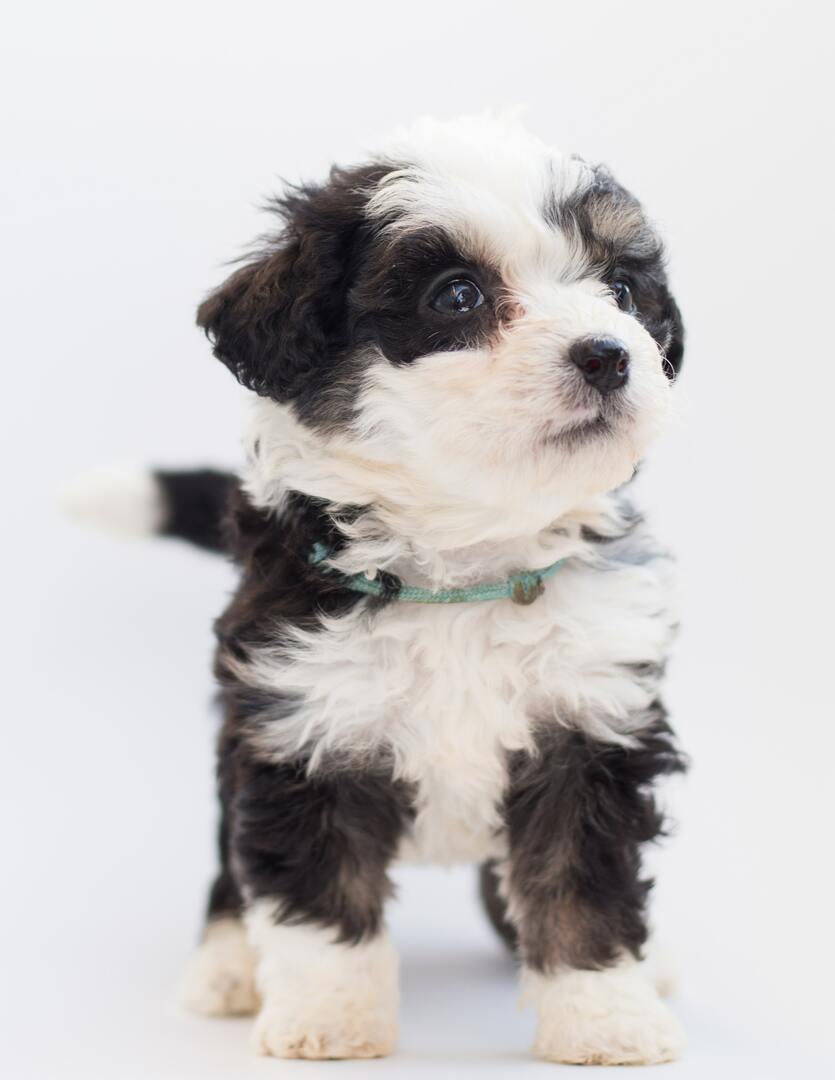
How to Prepare Your Home for a Bernedoodle Puppy: A New Owner’s Guide
Bringing a Bernedoodle puppy home is an exciting milestone, but preparing the house before the puppy arrives can make the transition much easier. Puppies are naturally curious, energetic, and eager to explore, and they do not automatically understand which parts of a home are safe and which objects are off-limits.
A prepared home gives a new Bernedoodle puppy a safer environment while also helping owners establish good routines from the beginning.
Preparing for a puppy involves more than buying food and a few toys. Owners should think about sleeping arrangements, potty training, feeding, grooming, puppy-proofing, exercise, enrichment, and how the puppy will be introduced to the household.
With a little preparation, the first days at home can be calmer and more enjoyable for everyone.
Create a Designated Puppy Area
One of the first things to establish is where the puppy will spend its time when it cannot be directly supervised.
This could be a puppy-safe room, gated section of the home, or another controlled area.
The space should contain the puppy’s essential items without being filled with things that could be dangerous to chew.
A designated area can include:
A comfortable sleeping space
Water
Appropriate puppy toys
Safe chew items
A crate if crate training is being used
Easy-to-clean flooring
A few enrichment activities
Giving a puppy too much freedom immediately can make supervision difficult.
A smaller, controlled environment allows the puppy to gradually learn the rules of the home.
Puppy-Proof the House
Puppies investigate their surroundings with their mouths, paws, and noses.
Anything within reach may become a potential toy.
Before bringing a Bernedoodle home, walk through the house from the puppy’s perspective.
Look for electrical cords.
Check low shelves.
Move household chemicals out of reach.
Secure trash cans.
Remove small objects that could be swallowed.
Keep medications safely stored.
Move valuable or fragile items away from areas where the puppy will spend time.
This simple inspection can prevent many common puppy accidents.
Protect Electrical Cords
Electrical cords can be particularly tempting to puppies.
A puppy chewing through a live cord can suffer serious injuries.
Keep cords out of reach whenever possible.
Use appropriate cord-management solutions and block access to areas containing multiple cables.
Do not rely on telling a puppy “no” after it discovers an electrical cord.
Preventing access is safer than expecting a young dog to understand the danger.
Secure Household Cleaning Products
Cleaning products, detergents, automotive chemicals, and other household substances should be stored somewhere a puppy cannot access them.
Cabinets may need childproof-style latches if a curious Bernedoodle learns how to open doors.
Remember that puppies grow quickly.
A storage location that is safe for a small puppy may not remain inaccessible once the dog becomes larger and more capable.
Check Your Houseplants
Some common plants can be harmful to dogs.
Before bringing a Bernedoodle puppy home, identify the plants in areas the puppy can access and verify whether they are safe for dogs.
If a plant could pose a danger, move it somewhere inaccessible or remove it from the puppy’s environment.
Do not assume a plant is safe simply because another household dog has ignored it.
Puppies may investigate plants very differently from adult dogs.
Prepare a Comfortable Sleeping Area
Puppies need plenty of sleep.
A comfortable, quiet sleeping area can help a new Bernedoodle puppy settle into its surroundings.
Many owners choose to use a crate or designated bed area.
The location should be close enough that the family can monitor the puppy while still providing a place where the dog can rest without constant activity around it.
A puppy that has been playing for a while may need help settling down.
A predictable sleeping routine can make the transition easier.
Make the Crate a Positive Place
If crate training is part of your plan, introduce the crate as a comfortable space rather than a punishment area.
Place appropriate bedding or a safe resting surface inside.
Offer a suitable toy or chew.
Allow the puppy to explore the crate.
Keep early sessions short.
Gradually teach the puppy that relaxing in the crate is safe.
A crate should never be used as a place to punish a puppy for accidents or unwanted behavior.
Set Up a Feeding Area
Choose a consistent location for meals.
Keeping food and water in the same general area can make the daily routine more predictable.
Use bowls that are appropriate for the puppy’s size and easy to clean.
Follow the feeding instructions provided by the breeder initially and speak with your veterinarian about how the puppy’s diet should change as it grows.
Montana Berners provides feeding information for puppies going to their new homes, including guidance for transitioning food gradually.
Maintaining consistency during the first days can help reduce unnecessary changes while the puppy adjusts.
Buy the Right Puppy Food Before Arrival
Do not wait until the puppy arrives to think about food.
Have the puppy’s food ready ahead of time.
Ideally, learn what the puppy has already been eating and continue that diet initially unless there is a specific reason to make a change.
If you eventually switch foods, make the transition gradually.
Sudden dietary changes can cause digestive upset.
Your veterinarian can also help determine whether the puppy’s food remains appropriate as the dog grows.
Prepare for Potty Training
Potty training becomes easier when owners already know what the routine will be.
Decide where the puppy should go outside.
Make sure the area is accessible.
Keep cleaning supplies ready for accidents.
Plan frequent bathroom breaks, especially after waking, eating, drinking, playing, and sleeping.
The first days with a puppy should not be treated like normal adult-dog life.
Young puppies need frequent opportunities to eliminate in the appropriate location.
Consistency is the foundation of successful house training.
Keep Enzyme Cleaner Available
Accidents happen.
When they do, regular household cleaners may not completely remove the odor that a puppy can detect.
An appropriate enzymatic cleaner can help remove lingering biological odors from accident areas.
Clean accidents promptly.
Avoid punishing the puppy after discovering an accident.
The puppy needs to learn where the correct bathroom location is rather than simply learning that humans become upset when accidents happen.
Prepare Grooming Supplies
Bernedoodles can have coats that require regular maintenance, so grooming supplies should be ready before the puppy arrives.
Basic supplies may include:
A suitable brush
A metal comb
Dog-specific shampoo
Nail-care equipment
Dog toothbrush and toothpaste
Towels
Appropriate grooming wipes
The exact tools depend on the puppy’s coat type.
Montana Berners raises Bernedoodles with different coat characteristics, so owners should understand the specific coat they are bringing home and ask appropriate grooming questions.
Introduce Grooming Gradually
A puppy does not automatically know how to behave during grooming.
Touch the paws.
Handle the ears gently.
Look at the teeth.
Run your hands through the coat.
Introduce the brush.
Reward calm behavior.
Keep sessions brief.
These small experiences can help prepare a puppy for more extensive grooming later.
This is especially important for Bernedoodles because coat maintenance can become considerably more involved as the dog grows.
Choose Puppy-Safe Toys
Toys can provide exercise, mental stimulation, and an appropriate outlet for chewing.
Choose toys that are designed for puppies and appropriate for the dog’s size.
Inspect toys regularly.
If a toy becomes damaged or begins breaking apart, replace it.
Do not assume a toy is safe simply because it is marketed for dogs.
Supervision is particularly important when a puppy is learning how to use a new toy.
Have Appropriate Chews Ready
Chewing is a normal part of puppy development.
Instead of trying to eliminate chewing completely, give your Bernedoodle appropriate alternatives.
Keep several safe chew options available and redirect the puppy when it chooses an inappropriate household object.
If the puppy repeatedly steals shoes, for example, provide a suitable chew and reward the puppy for choosing it.
This teaches the puppy what it is allowed to chew.
Establish House Rules Before the Puppy Arrives
Everyone in the household should agree on the rules.
Is the puppy allowed on furniture?
Which rooms are off-limits?
Where will the puppy sleep?
Who handles feeding?
What command words will everyone use?
What happens when the puppy jumps?
Can the puppy enter the kitchen?
Consistency is particularly important during puppyhood.
If one person allows behavior that another person tries to stop, the puppy receives confusing signals.
Prepare for Puppy Biting
Puppies naturally use their mouths during play and exploration.
Having appropriate toys available makes redirection easier.
If the puppy bites hands or clothing during play, calmly redirect the puppy toward a suitable toy.
Avoid encouraging rough hand play if you do not want the behavior to continue as the puppy grows.
Because Bernedoodles can become substantial dogs depending on their size, teaching appropriate mouth behavior early is worthwhile.
Plan for Alone Time
A puppy should not be expected to remain alone for long periods immediately after arriving home.
At the same time, teaching a puppy to tolerate short periods of independence is important.
Begin with brief separations.
Allow the puppy to relax in a safe area.
Return calmly.
Gradually increase the duration as the puppy becomes comfortable.
This can help prevent the puppy from becoming completely dependent on constant human attention.
Prepare Your Family
The puppy is not the only one who needs training.
Children should learn how to interact appropriately with the new dog.
They should understand that puppies need sleep and should not be disturbed while eating or resting.
Children should also avoid chasing, grabbing, climbing on, or frightening the puppy.
Adults should supervise interactions and teach children how to recognize when the puppy needs a break.
Creating good habits between children and dogs early can help establish a safer household.
Prepare for the First Night
The first night can be challenging.
The puppy has just left a familiar environment and may be surrounded by unfamiliar sounds and smells.
Expect some adjustment.
Keep the nighttime routine calm.
Provide an appropriate sleeping area.
Take the puppy outside when needed.
Avoid turning nighttime bathroom breaks into exciting play sessions.
The goal is to teach the puppy that nighttime is for sleeping rather than entertainment.
Schedule a Veterinary Visit
New puppy owners should establish a relationship with a veterinarian.
Bring the puppy’s health records and vaccination information to the appointment.
The veterinarian can review:
Vaccinations
Parasite prevention
Nutrition
Growth
Weight
Dental development
General health
Future preventive care
Keep the breeder’s health information organized so it is easy to provide to the veterinary office.
Keep Important Puppy Information Organized
Create a folder for the puppy’s documents.
Keep records such as:
Health records
Vaccination information
Microchip information
Feeding instructions
Breeder information
Veterinary records
Registration paperwork when applicable
Grooming information
Having everything together makes future appointments and travel easier.
Create a Daily Routine
A puppy does not need every minute of the day scheduled, but having a predictable rhythm can help.
A routine might include:
Morning potty break
Breakfast
Short play session
Training
Nap
Potty break
Supervised exploration
Another nap
Meal
Short training session
Play
Quiet time
Evening potty break
Bedtime
The actual schedule will depend on the puppy’s age and individual needs.
Prepare for the Puppy to Change as It Grows
One of the biggest mistakes new Bernedoodle owners can make is preparing only for the puppy they see on day one.
That puppy will grow.
A small puppy may fit comfortably under a table.
A larger Bernedoodle may not.
A chew toy that works for a young puppy may eventually become too small.
A baby gate that works initially may eventually be pushed aside.
Prepare to adjust the home as the dog grows.
Don’t Give Too Much Freedom Too Quickly
It can be tempting to let a new puppy explore the entire house immediately.
However, too much freedom can create opportunities for accidents, chewing, and other unwanted behaviors.
Start with a controlled area.
Gradually expand access as the puppy demonstrates that it can handle additional freedom.
Freedom should be earned through good habits rather than given all at once.
Give Your Bernedoodle Time to Adjust
The first days may not look exactly like you imagined.
The puppy may cry.
It may have accidents.
It may chew something.
It may be nervous.
It may sleep more than expected.
These behaviors do not necessarily mean something is wrong.
The puppy is experiencing a major life change.
Give it time to learn the household routine.
Provide consistency.
Reward good behavior.
Maintain appropriate veterinary care.
With time, the puppy will become more comfortable.
Final Thoughts on Preparing for a Bernedoodle Puppy
Preparing your home before a Bernedoodle arrives can make the transition significantly easier.
A safe puppy area, appropriate food, grooming supplies, toys, a sleeping space, and a clear potty-training plan give owners a strong foundation. Puppy-proofing the house and establishing family rules can also prevent many avoidable problems.
Most importantly, remember that bringing home a Bernedoodle is the beginning of a long relationship.
The habits established during the first weeks can influence the dog’s future behavior, so patience and consistency are worth the effort.
Prepare the home, establish a routine, give the puppy time to adjust, and enjoy watching your new Bernedoodle grow into a beloved member of the family.
Read Next: Bernedoodle Temperament: What New Owners Should Know About Their Personality