
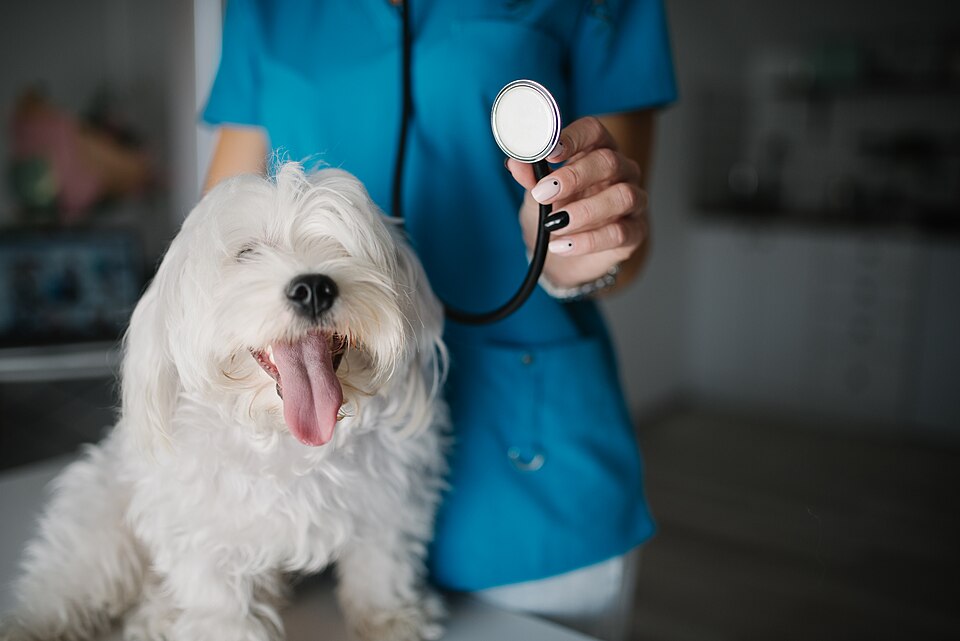
How to Help Your Bernedoodle Feel Comfortable During Veterinary Visits
Regular veterinary visits are an important part of keeping your Bernedoodle healthy throughout its life. From puppy wellness checks and vaccinations to routine examinations as an adult, these appointments help your veterinarian monitor your dog’s development and identify potential health concerns.
However, not every Bernedoodle feels comfortable at the veterinary clinic. Unfamiliar smells, slippery floors, strange sounds, other animals, and physical examinations can make some dogs nervous. Even a friendly Bernedoodle that enjoys meeting people may feel uneasy when someone handles its paws, examines its ears, or checks its mouth.
Fortunately, you can take practical steps to make veterinary visits more comfortable. By preparing your dog at home, creating positive associations with the clinic, and communicating with your veterinarian, you can help your Bernedoodle develop a more relaxed approach to healthcare.
Why Veterinary Visits Can Be Stressful for Bernedoodles
Veterinary clinics contain many unfamiliar experiences that dogs may find difficult to understand. Your Bernedoodle might hear barking dogs, smell unfamiliar animals, or notice equipment that it has never encountered before.
The examination itself can also be challenging. Dogs are not always comfortable being held still, having their bodies touched, or experiencing unfamiliar sensations. A Bernedoodle that has previously had an uncomfortable examination may begin to anticipate something unpleasant when arriving at the clinic.
Puppies can also become overwhelmed if their first few veterinary visits involve several unfamiliar experiences at once.
Understanding these potential challenges helps you prepare your dog more effectively. Instead of expecting your Bernedoodle to remain calm automatically, focus on making each part of the experience as predictable and comfortable as possible.
Start Preparing Your Bernedoodle at Home
One of the best ways to prepare for veterinary visits is to practice gentle handling at home.
Begin when your Bernedoodle is relaxed and comfortable. Briefly touch a shoulder, lift an ear gently, or handle a paw for a moment. Immediately follow the interaction with praise or a small treat if your dog remains comfortable.
Keep these exercises short and positive. You do not need to complete a full examination during every session.
Gradually introduce other types of handling, such as gently looking at your dog’s teeth or touching around its collar. Allow your Bernedoodle to move away when it needs a break.
If your dog pulls away, becomes tense, or shows other signs of discomfort, reduce the intensity of the exercise. The goal is to teach your dog that gentle handling predicts pleasant experiences rather than forcing it to tolerate unwanted contact.
These simple exercises can make routine veterinary procedures feel more familiar over time.
Teach Your Dog to Stand on Different Surfaces
Some veterinary clinics have smooth floors or examination tables that feel unfamiliar beneath a dog’s paws. A Bernedoodle that is unsure about slippery surfaces may become tense before the examination even begins.
You can help by gradually introducing safe, stable surfaces at home.
Place a nonslip mat on the floor and encourage your Bernedoodle to stand on it voluntarily. Reward your dog for stepping onto the mat, standing calmly, or remaining there briefly.
You can introduce other secure surfaces as your dog becomes comfortable, making sure they cannot slide or tip over.
Never force your Bernedoodle onto a raised surface or imitate an examination table in a way that could cause a fall. If your dog is small enough to be lifted safely, practice calm handling while supporting its body appropriately. Larger dogs can practice standing on the floor beside you.
Ask your veterinary team about nonslip mats or other accommodations if your Bernedoodle struggles with slippery clinic floors.
Make the Veterinary Clinic a Familiar Place
If your veterinarian allows it, arrange occasional short visits that do not involve examinations or vaccinations.
These visits might involve walking into the reception area, receiving a treat from a staff member, or spending a few minutes in a quiet space before leaving.
The purpose is to help your Bernedoodle experience the clinic without always associating it with medical procedures.
Start with whatever level of exposure your dog can comfortably manage. If the reception area is too busy, ask whether you can visit during a quieter period or wait outside until the examination room is ready.
Do not assume that every clinic offers practice visits, so contact the staff before arriving.
Even if practice visits are unavailable, you can create positive associations by rewarding calm behavior during ordinary appointments and asking the veterinary team how to reduce unnecessary waiting.
Bring Familiar Items That Help Your Dog Relax
Familiar objects can make an unfamiliar environment feel a little more predictable.
Consider bringing your Bernedoodle’s favorite treats, a small familiar blanket, or a toy that it enjoys. A blanket may provide a comfortable surface to sit or lie on, while treats can reward calm behavior during handling.
Choose items that are easy to clean and suitable for the clinic environment. Your veterinarian may also recommend specific precautions depending on your dog’s health and the animals being treated at the facility.
Avoid bringing anything that makes your dog excessively excited if the goal is to encourage calm behavior.
If your Bernedoodle refuses treats at the clinic, do not assume it is being stubborn. Stress can affect appetite. Give your dog more space, reduce stimulation when possible, and discuss the reaction with your veterinarian.
Use the Car Ride as Part of Your Preparation
For some Bernedoodles, the stressful part of a veterinary appointment begins before arriving at the clinic.
If your dog associates car rides exclusively with veterinary visits, it may become nervous as soon as you approach the vehicle. You can help change this association by occasionally taking short, comfortable trips that end somewhere pleasant, provided your dog travels safely and without distress.
Use an appropriate travel restraint or secured crate, and never allow your Bernedoodle to roam freely inside a moving vehicle.
If your dog experiences motion sickness or severe travel anxiety, speak with your veterinarian. Adjusting the travel plan or addressing the underlying problem may make appointments easier.
On appointment day, allow enough time to get ready without rushing. A calm departure can help prevent unnecessary tension from carrying into the clinic.
Choose Rewards Your Bernedoodle Enjoys
Food rewards can be useful during veterinary preparation, but every dog has different preferences.
Some Bernedoodles respond well to soft training treats, while others prefer small pieces of their regular food or gentle praise. If your veterinarian has recommended dietary restrictions or your dog has a medical condition, ask which rewards are appropriate.
Use small portions so your dog can receive several rewards without eating too much.
Reward behaviors you want to encourage, such as approaching the examination room, standing on a nonslip mat, allowing a brief touch, or looking toward you when something unfamiliar happens.
You can also use breaks and opportunities to move away as part of a low-stress approach. Your Bernedoodle should not have to remain in an uncomfortable position simply because a treat is available.
The most effective reward is one that helps your individual dog feel safe and willing to participate.
Communicate With Your Veterinarian Before the Appointment
Your veterinary team can often make useful adjustments when they know your Bernedoodle is nervous.
When scheduling the appointment, explain any previous difficulties, including fear of handling, barking at other dogs, struggling on slippery floors, or becoming distressed in the waiting room.
Ask whether the clinic can offer a quieter appointment time, allow you to wait outside until the examination room is ready, or provide other accommodations.
If your Bernedoodle has previously snapped, growled, or attempted to escape during an examination, share that information honestly. It helps the team prepare appropriate safety measures and avoid unnecessarily stressful handling.
For dogs with substantial fear or anxiety, your veterinarian may recommend a specific behavior plan or medication to reduce distress during appointments. Never give human medication or use a sedative without veterinary guidance.
Planning ahead is often easier and safer than trying to manage a highly distressed dog after arriving.
Understand the Importance of Cooperative Care
Cooperative care involves teaching a dog to participate in handling and healthcare procedures as comfortably as possible.
For example, you might teach your Bernedoodle to place its chin on your hand, stand on a mat, or offer a paw for a brief touch. These behaviors can create predictable patterns that help your dog understand what is happening.
Begin with simple exercises at home, rewarding voluntary participation and allowing breaks.
However, cooperative care is not a substitute for necessary medical treatment. Some procedures cannot be postponed or completed through voluntary participation alone. Your veterinarian can help determine when cooperative techniques are appropriate and when additional support is needed.
The goal is to improve communication, reduce fear where possible, and make routine care easier for both your dog and the veterinary team.
Recognize Signs of Stress During Appointments
Knowing your Bernedoodle’s stress signals can help you respond before anxiety becomes more intense.
Possible signs include repeatedly licking the lips, yawning when not tired, turning the head away, trembling, tucking the tail, panting heavily when the environment is cool, or attempting to hide.
Some dogs become unusually still rather than visibly struggling. A dog that freezes during handling may still be uncomfortable, even if it does not bark or pull away.
These behaviors can have different causes, so consider the full context and discuss recurring concerns with your veterinarian.
If your Bernedoodle appears distressed, calmly tell the veterinary team. They may be able to pause, change positions, reduce stimulation, or adjust their approach.
Do not punish growling or other warning signals. These behaviors communicate discomfort and provide important information about your dog’s emotional state.
Help Puppies Develop Healthy Veterinary Habits
Puppyhood provides an opportunity to introduce healthcare experiences gradually.
During the early months, follow your veterinarian’s recommended vaccination and wellness schedule while practicing gentle handling at home. Ask your veterinary team how to socialize your puppy safely before its vaccinations are complete.
Avoid exposing a puppy to unnecessary health risks in public areas. Your veterinarian can recommend appropriate environments based on local disease risks and your puppy’s vaccination status.
Make early appointments as positive as possible without delaying important care. Offer rewards when appropriate, remain calm, and allow your puppy time to become familiar with the people and surroundings.
As your Bernedoodle grows, continue practicing brief handling exercises rather than assuming early success means training is finished.
Consistent preparation can help establish useful habits that continue into adulthood.
Make Recovery After the Appointment Part of the Plan
Even a successful veterinary visit can be tiring for a Bernedoodle, especially if the appointment includes vaccinations, blood collection, or other procedures.
After returning home, provide access to fresh water, a comfortable resting area, and an opportunity to relax. Follow any aftercare instructions provided by your veterinarian.
Avoid scheduling several demanding activities immediately after the appointment. Your dog may benefit from a quieter day, depending on the procedures performed and how it feels.
Monitor your Bernedoodle for any changes your veterinarian has asked you to watch for, and contact the clinic if you notice concerning symptoms or have questions about recovery.
You can also reflect on which parts of the appointment went well and which seemed difficult. Sharing these observations at the next visit can help the veterinary team improve your dog’s experience.
Final Thoughts
Helping your Bernedoodle feel comfortable during veterinary visits requires preparation, patience, and communication. Gentle handling practice at home, positive associations with the clinic, familiar rewards, and an appropriate appointment plan can all make a difference.
Pay attention to your dog’s individual needs instead of expecting every visit to go perfectly. If your Bernedoodle shows significant fear, work with your veterinarian to find a safe, personalized approach.
Regular healthcare is essential, and creating a calmer experience can make it easier to maintain that care throughout your dog’s life.
Read Next: How to Help Your Bernedoodle Develop Confidence in New Environments