
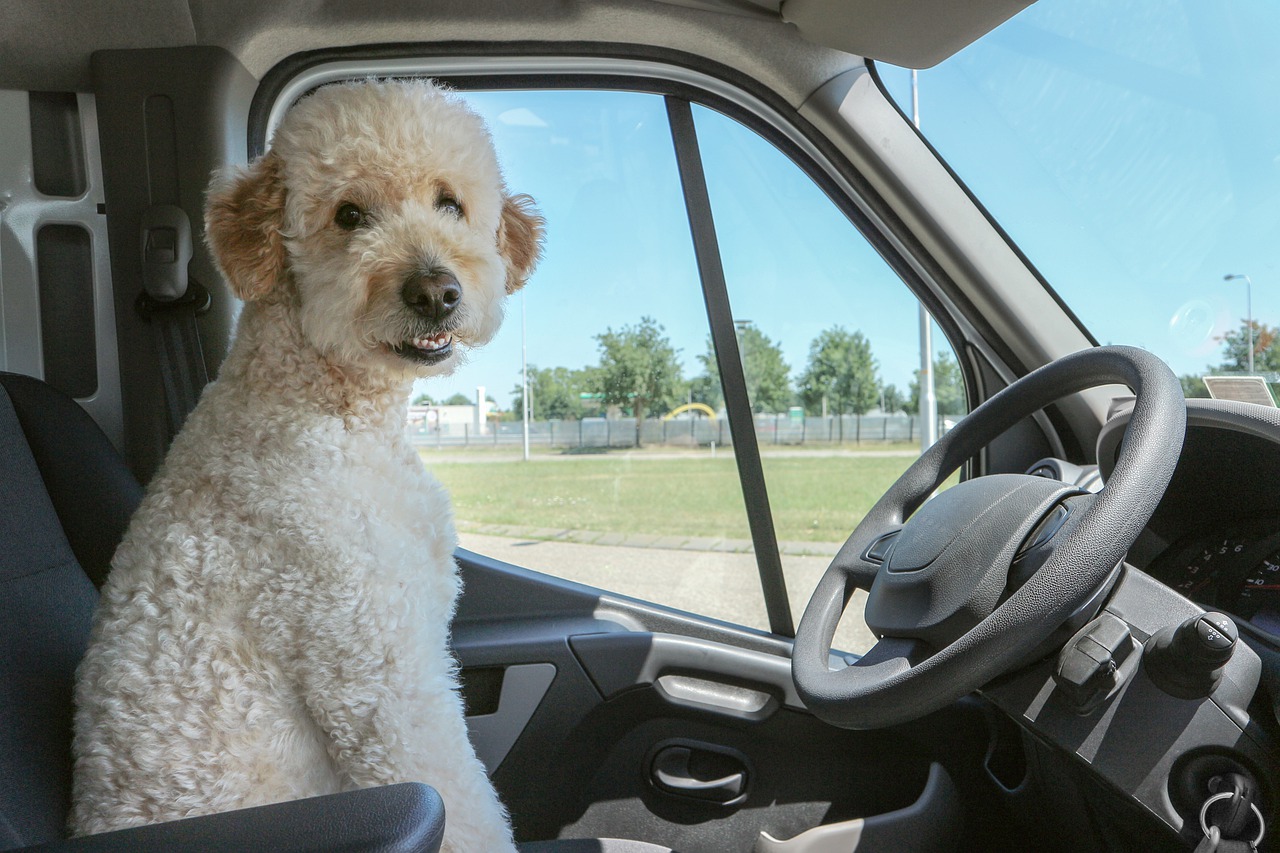
How to Help Your Bernedoodle Feel Comfortable During Car Rides and Travel
Traveling with your Bernedoodle can be an enjoyable way to spend more time together, whether you are visiting family, exploring a new park, or taking a weekend road trip. However, not every dog feels comfortable inside a moving vehicle. Some Bernedoodles settle down almost immediately, while others may become restless, anxious, or nauseated during car rides.
Helping your dog develop positive associations with traveling takes patience, preparation, and consistency. By introducing car rides gradually and making safety a priority, you can help your Bernedoodle become more comfortable with new travel experiences.
Bernedoodles can inherit different temperaments and physical characteristics from their Bernese Mountain Dog and Poodle parents. Their responses to travel may also depend on their previous experiences, age, and individual personality.
Some dogs enjoy watching the world pass by, while others prefer to settle into a familiar space where they feel secure. Understanding your dog’s needs can help you create a travel routine that works for both of you.
In this guide, you will learn how to prepare your Bernedoodle for car rides, reduce travel anxiety, recognize motion sickness, and make road trips safer and more enjoyable.
Why Some Bernedoodles Struggle With Car Rides
A Bernedoodle’s reaction to car travel can have several causes. Understanding the reason behind your dog’s behavior is the first step toward improving the experience.
Some puppies have never spent much time in a vehicle beyond their first journey home. Without gradual introductions, the movement, engine noise, unfamiliar smells, and changing scenery may feel overwhelming.
Other dogs associate car rides with unpleasant experiences. If a Bernedoodle has only traveled to the veterinarian for uncomfortable examinations, it may begin to feel nervous whenever it enters a vehicle.
Motion sickness can also make car rides difficult. Dogs may experience nausea because of movement, and puppies can be particularly susceptible while their balance systems are still developing.
Some Bernedoodles become overstimulated by passing vehicles, pedestrians, or other animals. They may bark, pace, whine, or struggle to settle.
In other cases, the problem is physical discomfort. A dog with joint pain or mobility difficulties may find it uncomfortable to climb into a vehicle or remain in one position during a long journey.
Observing when the problem begins can provide useful clues. A dog that becomes anxious before the engine starts may have developed a negative association with the car, while a dog that begins drooling or vomiting after the vehicle moves may be experiencing motion sickness.
If your Bernedoodle consistently struggles during travel, consult your veterinarian to rule out medical causes before assuming the problem is purely behavioral.
Start With Positive Introductions to the Car
If your Bernedoodle is unfamiliar with car rides or already appears nervous, avoid beginning with a long journey.
Instead, introduce the vehicle gradually while it is parked and turned off.
Allow your dog to approach the car voluntarily. Reward calm behavior with praise and small treats, provided your dog is comfortable eating.
You can open the door and let your Bernedoodle investigate the interior without requiring it to climb inside immediately.
Once your dog appears comfortable near the vehicle, encourage it to enter using a treat or another positive reward. Never drag or force your dog into the car.
Let your Bernedoodle spend a short period inside the stationary vehicle before inviting it to exit. Keep these sessions brief and end them while your dog is still comfortable.
Repeat the process over several sessions, gradually increasing the amount of time spent inside the car.
When your dog can relax comfortably in the stationary vehicle, you can introduce the sound of the engine while remaining parked. Watch your dog’s response and reduce the intensity if it appears worried.
The goal is to help your Bernedoodle learn that the car is a safe, predictable place rather than something it needs to fear.
Make Your Bernedoodle’s Travel Space Comfortable
A comfortable travel environment can make a significant difference in how your Bernedoodle responds to car rides.
Choose a secure, appropriately sized travel crate or a crash-tested dog restraint system suitable for your dog’s weight and body size. The restraint should allow your Bernedoodle to sit or lie comfortably without allowing it to move freely around the vehicle.
A loose dog can distract the driver and may be seriously injured during sudden braking or a collision. Never allow your Bernedoodle to sit on the driver’s lap or roam freely between the front and rear seats.
If you use a crate, secure it according to the manufacturer’s instructions. A crate that slides around during travel may increase anxiety and create a safety hazard.
You can place familiar bedding inside the travel crate if it can be used safely with your chosen setup. A familiar scent may help some dogs settle more easily.
Ensure that the vehicle has comfortable ventilation and a suitable temperature. Bernedoodles with thick coats may become uncomfortable in hot conditions, especially during warm weather.
Never leave your dog unattended in a parked vehicle during hot weather. Temperatures inside a vehicle can rise rapidly, creating a dangerous situation even when the outside temperature seems manageable.
Before traveling, allow your Bernedoodle to become familiar with the restraint or crate at home. This helps prevent the first experience with the equipment from occurring during an already stressful journey.
Teach Your Bernedoodle to Enter and Exit the Vehicle
Getting into a car can be physically challenging for some Bernedoodles, particularly larger dogs, young puppies, and older dogs with mobility limitations.
Rather than lifting or pulling your dog without preparation, teach it to enter the vehicle calmly when possible.
Begin by rewarding your Bernedoodle for approaching the open vehicle. If the height of the vehicle makes entry difficult, consider using a sturdy, appropriately rated pet ramp with a nonslip surface.
Introduce the ramp on level ground first. Allow your dog to investigate it, then reward small steps toward walking across it.
Once your Bernedoodle is comfortable using the ramp, gradually position it at the vehicle entrance while ensuring it remains stable.
Do not rush your dog or allow it to jump from a height that could cause injury. Repeated jumping in and out of vehicles can place unnecessary strain on joints, particularly in larger dogs or those with existing orthopedic concerns.
For dogs that require assistance, ask your veterinarian about suitable lifting techniques or mobility equipment.
Make sure your Bernedoodle can exit safely at your destination. Always attach the leash before opening the vehicle door so your dog cannot suddenly jump out into traffic.
Build Up to Longer Car Rides Gradually
Once your Bernedoodle is comfortable inside a stationary vehicle, begin practicing short trips.
Start with a very brief drive around a quiet area. Choose a route with minimal traffic and avoid unnecessary stops or sudden movements when possible.
After returning home, reward your dog for calm behavior. You can gradually increase the duration of the trips as your Bernedoodle becomes more comfortable.
Do not increase the distance simply because your dog completed one short ride. Look for consistent signs of comfort across several sessions.
If your Bernedoodle begins whining, panting excessively, drooling, or trying to escape its restraint, shorten the next session and reassess the training process.
It can also help to make some early destinations enjoyable. For example, you might take your dog on a short ride to a quiet walking area where it can explore and sniff.
However, keep the experience manageable. A busy park full of unfamiliar dogs may be too stimulating for a Bernedoodle that is already learning to tolerate car travel.
Gradual progress is more useful than pushing your dog through a long ride before it is ready.
Recognizing Motion Sickness in Bernedoodles
Motion sickness is an important consideration when helping your Bernedoodle become comfortable with car travel.
Common signs include excessive drooling, repeated lip licking, yawning, restlessness, whining, vomiting, and reduced interest in food.
Some dogs appear anxious before the vehicle starts moving because they have learned to associate the car with feeling nauseated.
Puppies may be more susceptible to motion sickness, and some improve as they mature. However, persistent symptoms should not be ignored.
If you suspect your Bernedoodle experiences motion sickness, contact your veterinarian. Your veterinarian can help determine whether the symptoms are caused by motion, anxiety, or another medical problem.
Medication may be appropriate for some dogs, but it should be selected and dosed by a veterinarian. Never give your dog human motion-sickness medication without veterinary guidance.
You can also help by keeping trips short during training, providing appropriate ventilation, and avoiding strong fragrances inside the vehicle.
Ask your veterinarian about meal timing before longer trips. Some dogs benefit from avoiding a large meal immediately before traveling, although individual recommendations may vary.
If your Bernedoodle repeatedly vomits during car rides, pause long-distance travel until you have discussed the problem with your veterinarian.
How to Reduce Travel Anxiety
A Bernedoodle that feels anxious in a vehicle may whine, bark, pace, tremble, pant, or repeatedly attempt to change positions.
These behaviors do not necessarily mean your dog is being difficult. They may indicate that the experience is overwhelming.
The first step is to identify what triggers the anxiety. Your dog might be frightened by engine noise, uncomfortable with movement, distressed by separation from a familiar person, or worried because of previous experiences.
Keep training sessions short and predictable. Reward calm behavior and allow your dog to progress at a manageable pace.
Avoid shouting at your Bernedoodle for whining or barking. Punishment may increase fear without resolving the underlying cause.
If your dog becomes distressed during a journey, find a safe place to stop. Never release your dog beside moving traffic or open a door without securing the leash and checking the surroundings.
For severe anxiety, consult your veterinarian or a qualified reward-based behavior professional. They can help you create a structured plan and determine whether additional treatment is appropriate.
Some dogs need a slower introduction to travel than others. Respecting your Bernedoodle’s individual needs can prevent setbacks and help build confidence over time.
Preparing Your Bernedoodle for a Road Trip
Longer journeys require additional planning. Before leaving, make sure your Bernedoodle is comfortable with the travel equipment and has practiced shorter rides successfully.
Prepare a travel bag containing your dog’s regular food, drinking water, bowls, leash, waste bags, and any prescribed medication.
Bring familiar bedding if it can be used safely with your restraint system. Keep your dog’s identification information current and ensure its microchip details are up to date if applicable.
Plan regular breaks that allow your Bernedoodle to drink water, stretch its legs, and relieve itself. The exact frequency will depend on your dog’s age, health, and individual needs.
Choose safe stopping locations away from busy roads. Keep your dog leashed during breaks unless you are inside a securely enclosed area.
Before your trip, check that your destination allows dogs and confirm any relevant rules. If you are staying in a hotel or rental property, verify the pet policy in advance.
For interstate or international travel, additional requirements may apply, including vaccination records, health certificates, identification, or import documentation. Check the relevant official requirements well before departure.
Planning ahead helps prevent unnecessary stress and gives you more time to focus on your dog’s comfort.
Traveling With a Bernedoodle During Hot Weather
Warm weather requires special attention when traveling with a Bernedoodle.
A thick or curly coat can make it harder for some dogs to dissipate heat efficiently, although individual tolerance varies. Vehicle interiors can also become dangerously hot very quickly.
Use air conditioning or another appropriate climate-control system to maintain a comfortable environment. Do not rely on open windows as the sole method of cooling a dog inside a parked vehicle.
Never leave your Bernedoodle alone in a vehicle while you run errands, even if you expect to be away for only a few minutes.
During travel breaks, choose shaded areas when available and offer fresh water. Avoid strenuous activity during the hottest part of the day.
Watch for excessive panting, heavy drooling, weakness, vomiting, confusion, or collapse. These can be signs of heat-related illness and require immediate veterinary attention.
If you suspect heatstroke, move your dog away from the heat, begin cooling with cool or room-temperature water rather than ice-cold methods, and seek emergency veterinary care immediately.
Do not assume that a dog with a thick coat will always show obvious signs of overheating before the situation becomes serious.
Helping Your Bernedoodle Stay Calm at the Destination
Arriving at your destination can be just as stimulating as the car ride itself.
Your Bernedoodle may encounter unfamiliar smells, different flooring, new people, other animals, or an unfamiliar sleeping area.
Give your dog time to investigate the new environment at its own pace. Begin in a relatively quiet area and allow opportunities for rest before introducing more activities.
Bring familiar supplies, including your dog’s usual food and any bedding that can be used safely. Maintaining familiar routines for feeding, walks, and bedtime may help your Bernedoodle adjust.
Keep your dog leashed in unfamiliar outdoor areas and check gates or fencing before allowing off-leash activity.
If you are staying with other animals, arrange introductions carefully rather than expecting every dog to become comfortable immediately.
Watch your Bernedoodle’s body language and provide a quiet place where it can rest without being disturbed.
Avoid scheduling too many activities during the first few hours after arrival. A relaxed transition can help your dog settle into the new surroundings.
Common Car Travel Mistakes to Avoid
One common mistake is taking a nervous Bernedoodle on a long journey before it has learned to tolerate short rides. Gradual practice is generally a better starting point.
Another mistake is allowing a dog to roam freely inside the vehicle. Even a friendly, well-trained Bernedoodle can become a dangerous distraction if it moves around while you are driving.
Avoid allowing your dog to hang its head outside an open window. Flying debris, insects, and sudden movements can injure the eyes or face, and an unsecured dog may fall or jump out.
Never transport your Bernedoodle in the open bed of a moving pickup truck without an appropriate, legally compliant safety arrangement. An unsecured dog can suffer serious injuries.
Do not ignore signs of motion sickness or assume that vomiting is simply something your dog must learn to tolerate.
Finally, avoid forcing your Bernedoodle into a crate or vehicle when it is showing intense fear. A slower training plan and professional guidance may be necessary.
Safe, comfortable travel depends on preparation, appropriate equipment, and responding to your dog’s needs.
Frequently Asked Questions About Bernedoodle Car Travel
Why does my Bernedoodle whine in the car?
Whining can be associated with excitement, anxiety, motion sickness, discomfort, or frustration. Observe when the behavior starts and whether other symptoms appear. If the whining is persistent or accompanied by signs of illness, consult your veterinarian.
How can I help my Bernedoodle enjoy car rides?
Start with positive introductions to a stationary vehicle, then gradually practice short drives. Use a suitable restraint or secure crate, reward calm behavior, and avoid rushing into long journeys.
Can Bernedoodles get motion sickness?
Yes. Bernedoodles can experience motion sickness like other dogs. Signs may include drooling, lip licking, restlessness, nausea, and vomiting. Your veterinarian can recommend appropriate treatment if symptoms persist.
Should my Bernedoodle wear a seat belt in the car?
Your dog should be secured with an appropriate crash-tested restraint system or a properly secured travel crate. Select equipment that suits your dog’s size and follow the manufacturer’s instructions.
How often should I stop during a long car trip with my Bernedoodle?
Plan regular breaks for water, movement, and bathroom needs. The appropriate schedule depends on your dog’s age, health, and comfort. Puppies and dogs with medical needs may require more frequent stops.
Can I feed my Bernedoodle before a car ride?
Meal timing depends on your dog’s individual needs and susceptibility to motion sickness. Ask your veterinarian whether adjusting the timing or size of meals may help before travel.
Is it safe to leave my Bernedoodle in the car while I shop?
No. Temperatures inside parked vehicles can rise rapidly and become dangerous. Arrange for a responsible person to remain with your dog in a safe, climate-controlled environment or leave your dog at home when appropriate.
What should I do if my Bernedoodle panics during a car ride?
If possible, pull over somewhere safe and assess your dog’s condition without releasing it near traffic. For recurring panic, seek veterinary guidance and consider a gradual behavior-training plan.
Final Thoughts: Make Car Travel a Positive Experience for Your Bernedoodle
Helping your Bernedoodle become comfortable with car rides takes patience, preparation, and a willingness to work at your dog’s pace.
Begin with short, positive experiences and gradually introduce longer journeys as your dog becomes more confident. Choose appropriate travel equipment, maintain a comfortable vehicle environment, and recognize signs of anxiety or motion sickness.
Remember that every Bernedoodle is different. Some dogs quickly learn to enjoy road trips, while others need more time and support. Consistent training and attention to your dog’s individual needs can make a meaningful difference.
By prioritizing safety and building positive associations, you can help your Bernedoodle enjoy more adventures with you while making every journey more comfortable.
Read Next: Understanding Your Bernedoodle’s Body Language and Emotional Signals