
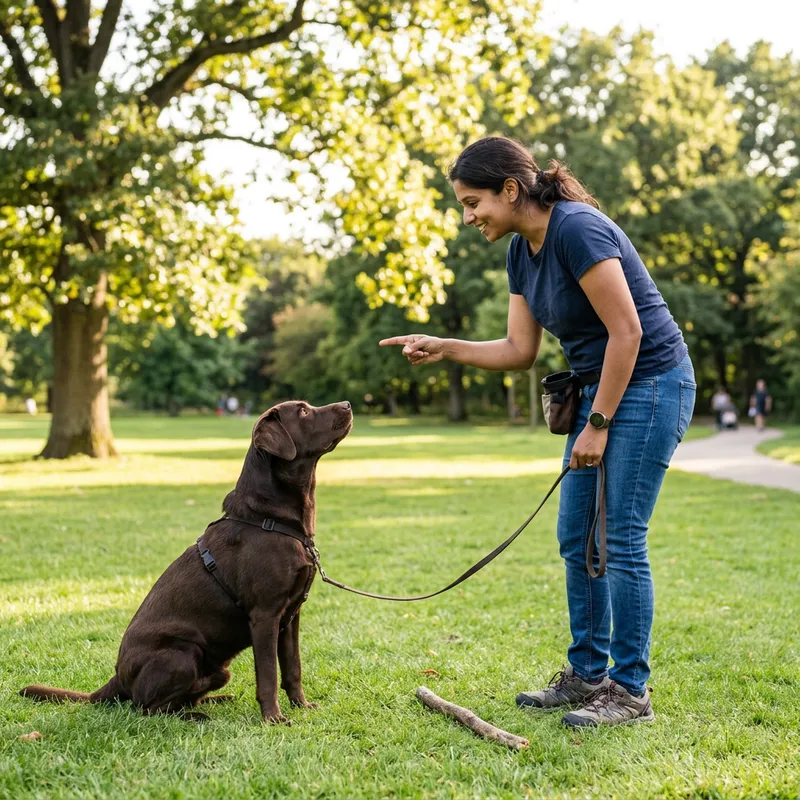
How to Help Your Bernedoodle Develop Better Focus During Training
Training your Bernedoodle can be an enjoyable way to build communication, strengthen your relationship, and teach useful everyday behaviors. However, even intelligent dogs can become distracted when something more interesting catches their attention.
Your Bernedoodle might lose interest after a few repetitions, become excited when another person walks by, or struggle to listen in an unfamiliar environment. Developing better focus takes time, but consistent training can help your dog learn to pay attention and respond more reliably.
Whether you have a young puppy or an adult Bernedoodle, there are several practical ways to improve concentration during training.
Start Training in a Quiet Environment
The environment can have a major impact on your Bernedoodle’s ability to focus.
If you begin training in a busy park or around other dogs, your dog may become overwhelmed by unfamiliar sounds, movement, and smells. This makes it harder to understand new instructions.
Start somewhere quiet, such as your living room or a calm backyard. Choose a location where your Bernedoodle can comfortably see and hear you without constantly looking toward distractions.
Once your dog responds consistently in that setting, gradually introduce more challenging environments.
You can eventually practice in different rooms, quiet outdoor spaces, and areas with moderate activity. Increasing difficulty gradually helps your Bernedoodle learn that paying attention is important in different situations.
Use Your Bernedoodle’s Name to Build Attention
One of the simplest ways to improve focus is teaching your Bernedoodle to respond positively to their name.
Begin when your dog is relaxed and nearby. Say their name once in a friendly voice. When they look toward you, immediately reward them with praise or a small treat.
Repeat the exercise several times, keeping the sessions short.
Avoid repeatedly saying your dog’s name when they are not responding. Instead, make the exercise easier by reducing distractions or moving closer.
The goal is to create a positive association between hearing their name and paying attention to you.
Keep Training Sessions Short
Long training sessions can make it difficult for dogs to remain interested.
Rather than expecting your Bernedoodle to concentrate for an extended period, divide training into several short sessions throughout the day.
For example, you could practice basic commands for a few minutes before breakfast, work on attention during an afternoon activity, and review familiar skills in the evening.
Short sessions allow your dog to learn without becoming overly tired or frustrated.
End each session while your Bernedoodle is still engaged whenever possible. Finishing after a successful repetition helps make future training more enjoyable.
Use Rewards Your Bernedoodle Enjoys
Positive reinforcement gives your dog a reason to pay attention.
Some Bernedoodles respond especially well to small food rewards, while others enjoy toys, praise, or a brief play session.
Experiment with different rewards to discover what motivates your dog most.
Useful rewards include:
- Small training treats
- Pieces of your dog’s regular food
- Verbal praise and affection
- A favorite toy
- A short opportunity to play
Use especially appealing rewards when practicing around difficult distractions.
Make sure treats are appropriately sized and account for them as part of your dog’s daily food intake.
Teach a Reliable Attention Cue
An attention cue can help your Bernedoodle understand when you want them to focus on you.
Choose a simple phrase such as “look” or “watch me.” Say the cue when your dog is already nearby and reward them for making eye contact.
Start with very short moments of attention. As your dog improves, gradually increase the amount of time they maintain focus.
Avoid forcing eye contact or holding your dog’s head in position. The behavior should develop through positive experiences.
Once your Bernedoodle understands the cue indoors, practice in other environments with gradually increasing distractions.
Make Training Activities Interesting
Repeating the same command in exactly the same way can become boring.
You can maintain your Bernedoodle’s interest by changing the activities while continuing to practice important skills.
For example, combine sit, down, stay, and recall exercises into a short training routine. You can also practice familiar commands in different locations around your home.
Try simple games such as:
- Calling your Bernedoodle between two family members
- Asking your dog to find a hidden treat
- Practicing commands before tossing a favorite toy
- Rewarding your dog for checking in during a walk
- Hiding a toy and encouraging your dog to locate it
These activities encourage your dog to think while making training feel like an enjoyable interaction.
Gradually Introduce Distractions
A Bernedoodle that listens perfectly inside your home may struggle to focus outside.
This does not necessarily mean your dog has forgotten the training. The environment may simply be more challenging.
Introduce distractions one at a time. Begin with mild activity in the distance and reward your dog for looking back toward you.
If your Bernedoodle becomes too distracted to respond, increase the distance or move somewhere quieter.
Avoid expecting perfect attention around unfamiliar dogs, busy streets, or exciting outdoor activities before your dog has practiced in easier situations.
Gradual exposure helps build stronger attention without overwhelming your Bernedoodle.
Practice Focus During Everyday Activities
Training does not need to happen only during scheduled sessions.
Everyday situations provide opportunities to reward attention and cooperation.
Ask your Bernedoodle to look toward you before attaching the leash, opening the door, or beginning a familiar game. Reward them for responding calmly.
During walks, occasionally reward your dog for checking in with you without being prompted.
These small interactions help your Bernedoodle understand that paying attention is useful throughout the day.
Be consistent with your expectations, but keep activities appropriate for your dog’s age and experience.
Make Sure Your Dog Gets Enough Rest
A tired dog may struggle to concentrate, but an overly excited dog can have difficulty focusing too.
Rest is an important part of learning. Puppies especially need substantial sleep and downtime throughout the day.
Avoid scheduling difficult training sessions when your Bernedoodle is exhausted, hungry, or overly stimulated.
Choose times when your dog is comfortable and alert. If your Bernedoodle begins losing interest, take a break and try again later.
A balanced routine that includes exercise, enrichment, training, and rest can support better learning.
Avoid Punishing Distractions
Dogs naturally respond to interesting sights, sounds, and smells. Your Bernedoodle may look away from you because something in the environment has caught their attention.
Yelling, repeatedly correcting, or punishing your dog for losing focus can make training less enjoyable.
Instead, calmly regain your dog’s attention and make the exercise easier.
If your Bernedoodle cannot concentrate around a particular distraction, create more distance and reward smaller improvements.
Patience and positive reinforcement help build a stronger relationship while encouraging your dog to participate willingly.
Recognize and Reward Small Improvements
Focus develops gradually, and small improvements deserve recognition.
Your Bernedoodle might initially look toward you for only a second before becoming distracted again. That brief moment is a good opportunity to reward the behavior.
As your dog improves, gradually ask for longer periods of attention and practice in more challenging environments.
Avoid comparing your Bernedoodle’s progress with another dog’s training ability. Every dog learns at a different pace.
Consistent practice is more important than achieving perfect results immediately.
Build Stronger Training Focus Over Time
Helping your Bernedoodle develop better focus requires patience, repetition, and an understanding of what motivates your dog.
Start in quiet environments, use rewards your dog enjoys, keep sessions short, and gradually introduce distractions. Make training interesting and look for opportunities to reinforce attention during everyday activities.
With regular positive practice, your Bernedoodle can become more engaged, responsive, and confident during training.
Read Next: How to Help Your Bernedoodle Become More Comfortable Being Home Alone