
How to Create a Dog-Friendly Backyard for Your Bernedoodle
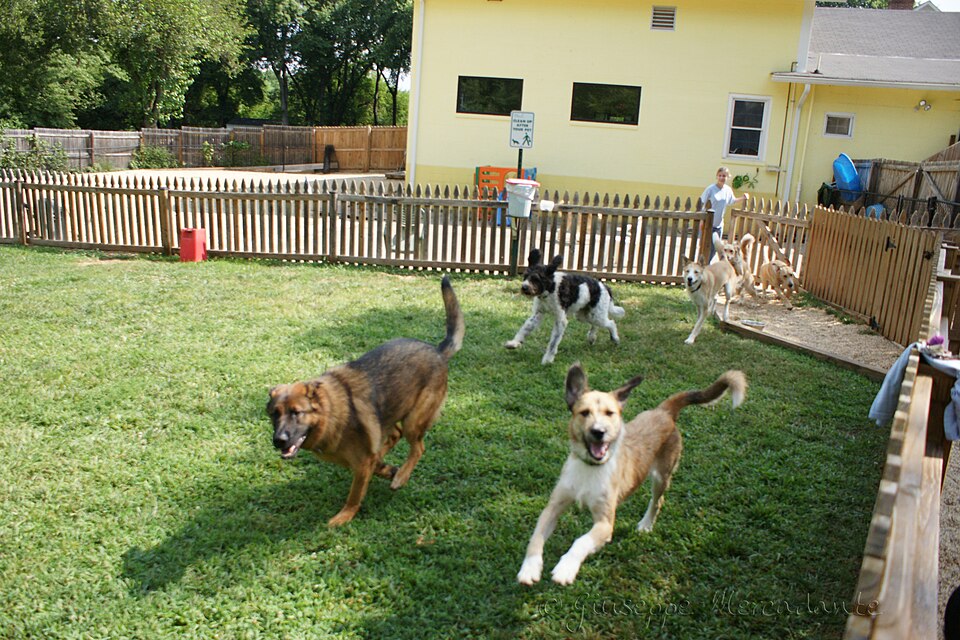
A backyard can be a wonderful place for your Bernedoodle to play, explore, and relax. Whether your dog enjoys chasing a ball, sniffing around the garden, or resting in the shade, a thoughtfully designed outdoor space can support everyday exercise and enrichment.
However, a backyard should not simply be a place where your dog is left unsupervised. Plants, fencing gaps, garden chemicals, and outdoor hazards can create risks. With a few practical changes, you can make your yard more comfortable and safer for your Bernedoodle.
Start With Secure Fencing
Secure fencing is one of the most important features of a dog-friendly backyard. Bernedoodles are curious, and some may try to follow an interesting smell or investigate activity beyond the property.
Inspect the entire fence for loose boards, damaged sections, gaps, or areas where your dog could squeeze through. Check the bottom edge as well. Some dogs may dig beneath fencing if they become bored or notice something on the other side.
The appropriate fence height depends on your dog’s size, athletic ability, and behavior. A fence should be high enough to discourage jumping and sturdy enough to withstand everyday activity.
If your yard has a gate, make sure it closes securely. Teach your Bernedoodle to wait while the gate opens rather than rushing toward the exit.
Remove Potentially Harmful Plants
Many dogs investigate plants by sniffing, licking, or chewing them. Before allowing your Bernedoodle to explore the yard, identify the plants growing in your garden.
Some common ornamental plants can be harmful to dogs if eaten. Examples include certain lilies, azaleas, oleander, and sago palm. The level of risk varies by plant, and some can cause serious illness.
Check the plants in your yard against a reliable veterinary or poison-control resource. Remove dangerous plants or block access to them. If you are unsure whether a plant is safe, prevent your dog from chewing it until you have confirmed its identity.
Also watch for mushrooms, fallen fruit, seed pods, and unfamiliar vegetation. Dogs may find these items interesting even when they are not safe to eat.
Create Comfortable Shaded Areas
Bernedoodles can have thick coats, and warm weather may make outdoor play uncomfortable. A dog-friendly backyard should include a shaded place where your dog can rest.
Shade may come from a covered patio, a suitable outdoor shelter, or a safe shaded section of the yard. Make sure the area remains shaded during the times your dog is most likely to be outside.
Provide fresh water in a stable bowl that is easy to access. Refresh it regularly, especially on warm days.
Do not assume that a shaded yard is always cool enough. Monitor your Bernedoodle for signs of overheating, such as excessive panting, weakness, unusual drooling, or difficulty settling. Bring your dog indoors if they appear uncomfortable.
Choose Safe Surfaces for Play
Backyard surfaces can affect your dog’s comfort and safety. Grass is often pleasant for walking and playing, but it may become muddy or develop bare patches.
Paving stones, concrete, and artificial turf can become very hot in direct sunlight. Check the surface temperature before allowing your Bernedoodle to spend time on it. If it feels too hot for your hand, it may be uncomfortable for your dog’s paws.
Look for sharp edges, loose stones, exposed nails, and uneven areas that could cause injuries. Keep play spaces free from tools, building materials, and other objects your dog might step on or chew.
If you use mulch, choose a dog-safe option and supervise your dog to discourage chewing or swallowing it. Cocoa mulch can be dangerous to dogs because it may contain substances related to those found in chocolate.
Make Room for Play and Exploration
A dog-friendly backyard does not need to be elaborate. A clear space for movement and a few simple activities can provide useful enrichment.
You can create a small play area with room for gentle fetch, short training sessions, or supervised games. Choose toys that are appropriate for your Bernedoodle’s size and chewing habits.
Try simple activities such as:
- Tossing a ball across a clear area
- Practicing recall between two people
- Hiding a few treats in safe locations for a sniffing game
- Setting up a simple obstacle using stable, low objects
- Practicing familiar cues in a new outdoor setting
Keep activities suitable for your dog’s age and physical condition. Puppies and growing dogs may need shorter sessions and lower-impact games.
Avoid leaving toys outside if they can become damaged by weather or develop sharp edges. Inspect them regularly and replace anything that is broken.
Keep Garden Chemicals Out of Reach
Fertilizers, weed killers, pesticides, and other garden products can be hazardous to pets. Store them in a secure location where your Bernedoodle cannot reach them.
Follow product instructions carefully, including any guidance about when pets can safely return to treated areas. Do not allow your dog to lick wet products, chew treated plants, or drink from containers that may hold chemical residue.
If you use a lawn service, ask what products are being applied and what precautions are recommended for dogs.
Keep compost bins, pest-control products, and gardening tools secured as well. Compost may contain moldy food or other materials that can make dogs sick if they eat them.
Prevent Digging and Escape Attempts
Some Bernedoodles enjoy digging, especially when they are bored, excited, or interested in an animal’s scent. If your dog digs near the fence, address the behavior before it creates an escape route.
Provide more supervised play, enrichment, and opportunities to explore. You can also create a designated digging area using a safe, contained space with suitable material. Encourage your dog to use that area and reward them for digging there.
If your Bernedoodle repeatedly digs in one spot, investigate what may be attracting them. There could be an interesting smell, an animal passing through, or a comfortable place to lie down.
Avoid leaving your dog outside for long periods without supervision. Outdoor access is most useful when it is combined with attention, interaction, and a comfortable environment.
Make Outdoor Time Part of a Balanced Routine
A backyard can support your Bernedoodle’s daily routine, but it should not replace walks, training, or time spent with family.
Dogs benefit from exploring different environments and practicing skills around new sights and sounds. Backyard activities can complement these experiences by offering a convenient place for play and short training sessions.
Use outdoor time to reinforce behaviors such as coming when called, waiting at the gate, and settling calmly. Keep sessions positive and reward your dog for making good choices.
Supervision is especially important for puppies, dogs that chew outdoor objects, and Bernedoodles that are still learning household rules.
Check the Yard Regularly
A backyard can change from day to day. Wind may bring branches or debris into the yard, plants may grow into unsafe areas, and fencing can become damaged.
Before letting your Bernedoodle outside, take a quick look around. Remove anything sharp, check that gates are secure, and make sure water is available.
After storms or yard maintenance, inspect the area more carefully. Keep your dog away from freshly cut branches, unfamiliar substances, or equipment until the space is safe.
A few minutes of routine checking can help prevent avoidable problems.
Create an Outdoor Space Your Bernedoodle Can Enjoy
A dog-friendly backyard combines safety, comfort, and opportunities for enrichment. Secure fencing, shade, fresh water, safe plants, and clear play areas can make outdoor time more enjoyable.
Pay attention to your Bernedoodle’s habits and adjust the yard as needed. A dog that likes to dig may need a designated digging spot, while a dog that becomes overheated quickly may need more shade and shorter play sessions.
With thoughtful planning and regular supervision, your backyard can become a useful part of your Bernedoodle’s everyday life.
Read Next: How to Teach Your Bernedoodle Better Leash Manners on Walks