
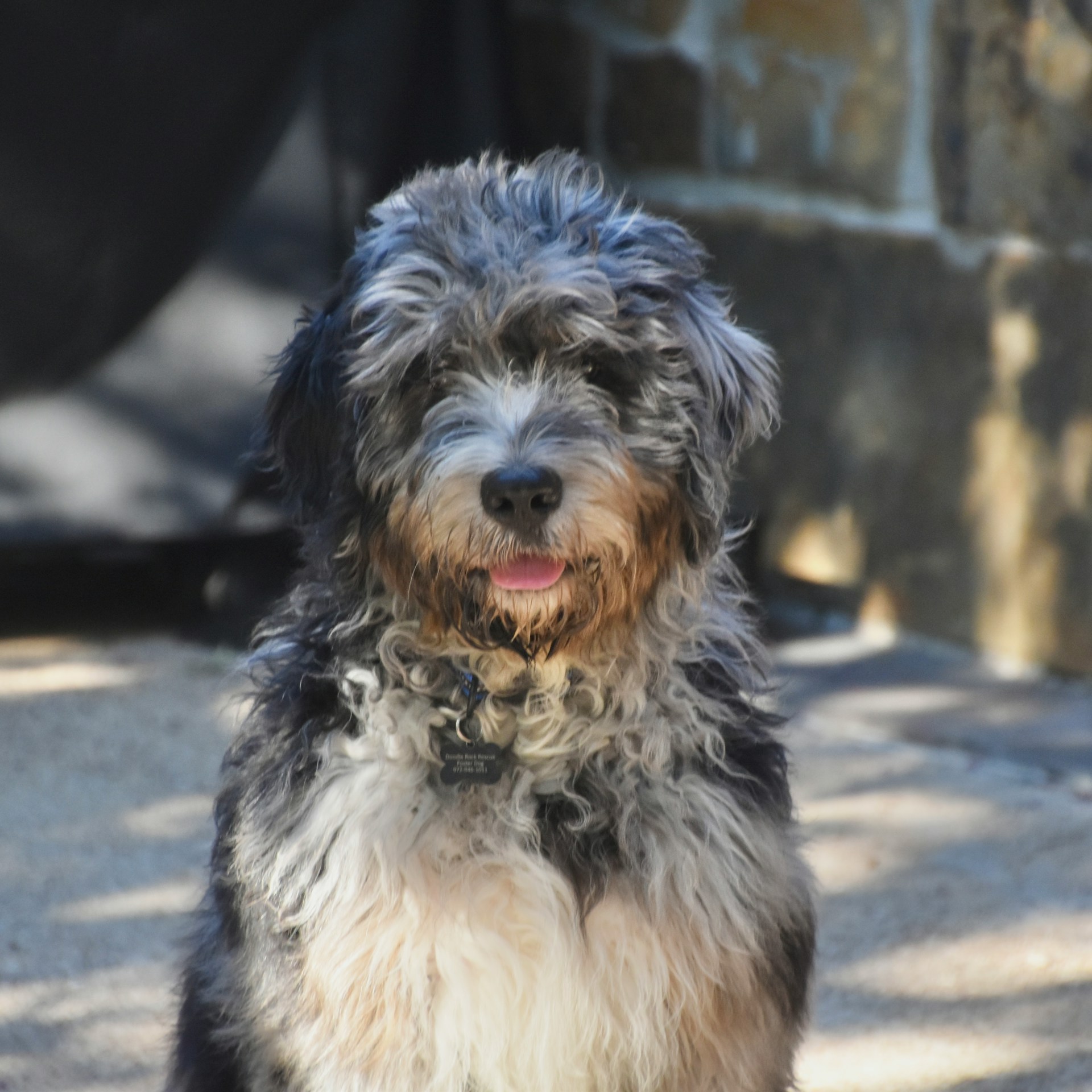
Bernedoodle Swimming and Water Safety Guide: Helping Your Dog Enjoy the Water Safely
Many Bernedoodles enjoy spending time around water, especially during warm weather. Whether your dog is visiting a backyard pool, playing near a lake, joining the family for an outdoor adventure, or simply discovering water for the first time, swimming can be an enjoyable experience.
However, not every Bernedoodle automatically knows how to swim safely.
A dog may be comfortable around shallow water but become nervous when the ground disappears beneath their paws. Even dogs that enjoy swimming can become tired, disoriented, or overwhelmed. That is why water safety should always come before play.
Teaching your Bernedoodle how to approach water calmly and safely can help create positive experiences while reducing unnecessary risks.
Do Bernedoodles Naturally Know How to Swim?
Some dogs seem naturally comfortable in water, while others are hesitant from the beginning.
A Bernedoodle’s ability and willingness to swim can vary from one individual to another. Body structure, confidence, previous experiences, and personality can all influence how a dog reacts to water.
It is important not to assume that your Bernedoodle will automatically know what to do simply because the dog can paddle.
Swimming is a physical skill that can take practice.
Some Bernedoodles may enter the water confidently and begin paddling immediately. Others may prefer standing in shallow water and gradually becoming comfortable before attempting to swim.
Both reactions are normal.
The goal should be to build confidence rather than force your dog into the water.
Start With Shallow Water
If your Bernedoodle has never been swimming before, begin somewhere shallow.
A calm, shallow area allows your dog to experience the sensation of water without immediately needing to swim.
Let your Bernedoodle walk through the water at their own pace.
You can encourage your dog with a calm voice and positive reinforcement. Avoid dragging, pushing, or throwing your dog into the water.
A first experience should teach your Bernedoodle that water is something they can investigate safely.
Once your dog is comfortable walking through shallow water, you can gradually introduce deeper areas.
Never Throw Your Bernedoodle Into Water
Throwing a dog into a pool, lake, or other body of water can create fear and panic.
Even if the intention is to teach the dog how to swim, the experience may have the opposite effect.
A frightened dog may struggle, swallow water, or attempt to escape without understanding where the safest exit is.
Instead, allow your Bernedoodle to enter the water voluntarily.
Stay close and provide encouragement.
Building confidence slowly is much more useful than forcing the experience.
Teach Your Bernedoodle Where the Exit Is
Knowing how to swim is only part of water safety.
Your Bernedoodle should also learn how to get out of the water.
This is particularly important around swimming pools.
Dogs may be able to paddle for a while but have difficulty finding the stairs or another exit. If your dog becomes tired and cannot find a way out, the situation can become dangerous.
When introducing your Bernedoodle to a pool, calmly guide your dog toward the safest exit.
Allow your dog to practice entering the water and returning to the exit under controlled conditions.
The more familiar the dog becomes with the exit, the easier it may be to find it when needed.
Use a Dog Life Jacket When Appropriate
A properly fitted canine life jacket can provide additional support when your Bernedoodle is around deeper water.
A life jacket can be particularly useful for:
First swimming experiences
Boating
Paddleboarding
Longer water activities
Deep lakes
Dogs that tire easily
Dogs that are still developing swimming confidence
Look for a life jacket designed specifically for dogs with a secure fit and a handle that allows an owner to assist the dog when necessary.
A life jacket should not replace supervision.
It is an additional safety measure, not a substitute for watching your dog.
Swimming Pools Require Extra Attention
Backyard pools can be appealing to dogs, especially when family members are swimming nearby.
However, a pool should never be treated as completely safe simply because your Bernedoodle knows how to swim.
Keep an eye on your dog whenever they are around the pool.
If your Bernedoodle has access to the pool area, consider using appropriate barriers when the pool is not being supervised.
A dog may accidentally fall into the water while chasing a toy, following someone, or exploring the area.
Pool covers also require caution. A covered pool can create a different type of hazard if a dog walks onto an unsafe cover and becomes trapped.
Keep Your Bernedoodle Away From Pool Chemicals
Swimming pools require chemicals to maintain water quality.
Your Bernedoodle should not have access to concentrated pool chemicals, chemical containers, or storage areas.
Store these products securely and follow the manufacturer’s safety instructions.
After swimming, you can rinse your dog’s coat with fresh water to help remove pool water and residue from the skin and coat.
Pay attention to your dog’s behavior after swimming and contact your veterinarian if you notice anything unusual.
Lake Swimming Has Different Risks
Natural bodies of water introduce hazards that may not exist in a backyard pool.
Lakes can contain:
Uneven shorelines
Deep drop-offs
Strong currents
Underwater branches
Rocks
Mud
Fishing equipment
Boats
Wildlife
Water-quality concerns
Keep your Bernedoodle under close supervision and stay aware of the surroundings.
A calm-looking lake does not necessarily mean that every part of it is safe for swimming.
Choose areas that are appropriate for dogs and follow posted rules.
Be Careful Around Rivers and Moving Water
Moving water deserves additional caution.
A Bernedoodle may be able to swim well in calm water but struggle against a current.
Rivers and streams can contain strong underwater movement that is difficult to see from the shoreline.
Avoid allowing your dog to enter fast-moving water unless you are in a location specifically designed and considered appropriate for safe recreational use.
Keep your Bernedoodle on a leash or under secure control near potentially dangerous currents.
Watch for Hidden Hazards
Water can hide objects that are difficult to see from the surface.
Branches, rocks, fishing line, hooks, vegetation, and other debris can create problems for a swimming dog.
Before allowing your Bernedoodle into an unfamiliar swimming area, look around the shoreline and water whenever possible.
Pay attention to posted warnings as well.
If local authorities have issued warnings about water quality or unsafe conditions, keep your dog out of the water.
Do Not Let Your Bernedoodle Drink Large Amounts of Water While Swimming
Dogs naturally swallow some water while swimming.
However, it is a good idea to provide fresh drinking water nearby so your Bernedoodle does not rely on pool, lake, or other recreational water for hydration.
Bring a portable water bowl and fresh drinking water whenever you spend an extended period near the water.
Encouraging your dog to drink fresh water can help reduce the temptation to repeatedly drink from the swimming area.
Watch for Fatigue
Swimming can be much more physically demanding than it looks.
A Bernedoodle may become tired after repeated trips through the water, especially if the dog is excited and keeps trying to swim.
Watch for changes in your dog’s swimming ability or behavior.
Signs that your dog may need a break can include slowing down, struggling to maintain position, repeatedly trying to climb out, or appearing less coordinated.
Do not wait until your dog is exhausted before ending the activity.
Regular breaks allow your Bernedoodle to rest and recover.
Puppies Should Have Short, Positive Water Experiences
Puppies can be curious about water, but they should not be expected to handle long swimming sessions.
Young Bernedoodles are still developing physically and mentally.
Keep early experiences brief and closely supervised.
A puppy may spend only a few minutes investigating shallow water before returning to dry land.
The purpose of early water exposure is not to create an endurance swimmer. It is to build confidence and teach safe habits.
Older Bernedoodles May Need More Support
Age can change a dog’s swimming ability.
An older Bernedoodle may have less stamina or mobility than they did when they were younger.
Even a dog that has enjoyed swimming for years may need shorter sessions and more frequent breaks as they age.
Pay attention to your individual dog’s comfort level rather than assuming they can handle the same amount of activity they did previously.
If your older dog has mobility or health concerns, discuss swimming activities with your veterinarian.
Dry Your Bernedoodle After Swimming
A good post-swim routine can make water activities more comfortable.
After swimming:
Rinse your dog with fresh water when appropriate.
Use a towel to remove excess moisture.
Pay attention to areas that stay damp.
Allow your dog to dry in a comfortable location.
Check the coat for debris or tangles.
Inspect paws for anything that may have become stuck.
Bernedoodles can have coats that hold onto moisture, especially when the hair is longer or curly.
Taking time to dry and inspect the coat can help keep your dog comfortable after water activities.
Check Your Bernedoodle’s Ears After Swimming
Water can enter the ears during swimming.
After your dog gets out of the water, observe the ears and watch for signs of discomfort.
Avoid inserting objects deep into the ear canal.
If your Bernedoodle develops persistent head shaking, scratching, odor, discharge, redness, or other unusual symptoms after swimming, contact your veterinarian.
Regular observation is useful because ear problems can sometimes become noticeable after water exposure.
Keep Toys and Water Activities Under Control
Water toys can make swimming more exciting, but they can also encourage a dog to keep going when they are becoming tired.
Use toys appropriately and monitor how much activity your Bernedoodle is getting.
If your dog becomes overly excited, take a break.
You can also use water activities as part of a broader day rather than allowing swimming to become the entire day’s activity.
A few swimming sessions followed by rest can be more enjoyable than allowing a dog to become exhausted.
Watch Your Bernedoodle Around Boats
If your Bernedoodle is joining your family on a boat, additional safety precautions are important.
Use a properly fitted canine life jacket and supervise your dog throughout the trip.
Keep your dog away from areas where they could fall overboard or interfere with equipment.
Before heading onto the water, make sure your dog is comfortable wearing the life jacket.
A calm introduction on land is much easier than putting the jacket on for the first time when the boat is already moving.
Introduce New Water Environments Gradually
A Bernedoodle that swims comfortably in a pool may react differently to a lake.
The smell, temperature, movement, shoreline, sounds, and surroundings can all be different.
Give your dog time to investigate.
Do not assume that experience in one environment automatically means your dog will be comfortable in another.
Gradual introductions allow your Bernedoodle to build confidence while you learn how your dog reacts to different types of water.
Know When to End the Activity
One of the most important parts of water safety is knowing when enough is enough.
Your Bernedoodle does not need to stay in the water simply because they still want to play.
End the session if your dog becomes tired, uncomfortable, overly excited, or difficult to control.
Move your dog to a dry, comfortable area and allow plenty of time to rest.
Water activities should leave your Bernedoodle feeling comfortable rather than completely exhausted.
Make Water Safety Part of Responsible Bernedoodle Ownership
Swimming can be a wonderful activity for a Bernedoodle when it is introduced carefully and supervised properly.
Start slowly, use appropriate safety equipment, provide fresh drinking water, teach your dog where exits are located, and pay attention to fatigue.
Remember that every Bernedoodle is an individual. Some dogs may love swimming immediately, while others may prefer simply walking through shallow water or staying near the shoreline.
There is no need to force a dog to become a swimmer.
The most important goal is creating safe and positive experiences.
With patience and proper supervision, water activities can become another enjoyable way for your Bernedoodle to spend time with the family while developing confidence in new environments.
Read Next: Bernedoodle Emergency Preparedness Guide: How to Keep Your Dog Safe in an Emergency