
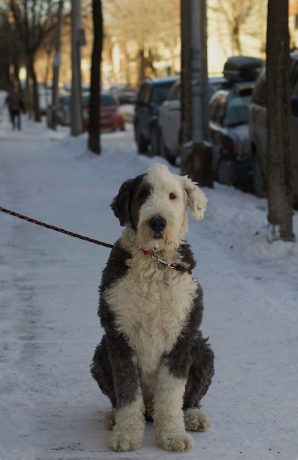
Bernedoodle Cold Weather Care: Keeping Your Dog Safe and Comfortable in Winter
Winter in Montana can bring snow, freezing temperatures, icy sidewalks, and long stretches of cold weather. For Bernedoodle owners, winter can also provide some of the most enjoyable opportunities of the year to spend time outdoors with their dogs.
Bernedoodles often enjoy exploring snowy environments, but enjoying winter does not mean a dog should be left outside without limits. Even dogs with thick coats need protection from extreme weather, wet conditions, ice, and other seasonal hazards.
Understanding how to care for your Bernedoodle during cold weather can help you make winter safer and more enjoyable for your entire family.
From protecting paws to managing outdoor time, there are several simple habits that can make a significant difference.
Can Bernedoodles Handle Cold Weather?
Bernedoodles can often enjoy cooler temperatures, but every dog is different.
Their coat, age, size, health, activity level, and individual tolerance all influence how comfortable they are outside.
A Bernedoodle with a thicker coat may tolerate cold conditions differently from a dog with a shorter or more lightly furnished coat.
Puppies and senior dogs can also have different needs than healthy adult dogs.
Instead of assuming your Bernedoodle is comfortable simply because it has a substantial coat, pay attention to the individual dog.
Your dog’s behavior is one of the best indicators of whether it is ready to come inside.
Montana Winter Requires Preparation
Cold weather creates several challenges beyond temperature.
Snow can accumulate between paw pads. Ice can make walking surfaces slippery. Salt and deicing products can irritate paws. Wet fur can leave a dog uncomfortable, especially after extended outdoor activity.
Before winter arrives, think about how your Bernedoodle will transition between indoor and outdoor environments.
Having towels, paw-cleaning supplies, appropriate outdoor equipment, and a warm resting area ready can make winter care much easier.
Watch Your Bernedoodle’s Behavior Outside
Dogs communicate discomfort through behavior.
During winter activities, watch for signs that your Bernedoodle may be getting too cold or uncomfortable.
Possible warning signs include:
Shivering
Reluctance to continue walking
Lifting paws repeatedly
Whining
Trying to return home
Slowing down unexpectedly
Hunching the body
Becoming unusually quiet
Seeking shelter
If your dog is showing signs of discomfort, bring it indoors and allow it to warm up.
Do not assume that encouraging your dog to keep playing will make it “toughen up.”
Protect Your Bernedoodle’s Paws
Paw care becomes especially important during winter.
Snow and ice can collect around the feet, particularly in dogs with longer hair between their paw pads.
After outdoor activity, inspect your Bernedoodle’s paws for:
Packed snow
Ice
Cracked skin
Redness
Irritation
Small stones
Salt or deicing residue
Gently clean and dry the paws after walks.
If your Bernedoodle frequently develops irritation during winter, discuss appropriate paw-care options with your veterinarian.
Be Careful With Ice Melt Products
Deicing products can be found on sidewalks, driveways, parking areas, and roads during winter.
Some products can irritate a dog’s paws, and dogs may ingest residue when licking their feet after a walk.
Whenever possible, avoid areas heavily treated with unknown deicing products.
After returning home, wipe your dog’s paws and lower legs to remove residue.
This simple step can help keep unwanted substances out of your dog’s mouth and away from sensitive paw tissue.
Snow Can Hide Dangerous Objects
Fresh snow can cover objects that would normally be easy to see.
Branches, rocks, tools, fencing materials, holes, and other hazards can become hidden underneath snow.
Before allowing your Bernedoodle to explore a snowy yard freely, inspect the area whenever possible.
This is particularly important after storms or when snow accumulates significantly.
A familiar yard can look completely different after a heavy snowfall.
Check Your Fencing
Winter weather can affect fences and gates.
Snow accumulation can create new climbing opportunities, while frozen ground can change the way gates and barriers function.
Check your fencing regularly throughout the winter.
Look for:
New gaps
Damaged boards
Loose gates
Snowdrifts near fences
Areas your dog could climb
Objects that have shifted after storms
Remember that a snowbank can effectively reduce the height of a fence.
A fence that was secure in summer may provide a different level of containment after significant snowfall.
Keep Your Dog Dry
Cold temperatures become more uncomfortable when your Bernedoodle’s coat is wet.
Snow can melt into the coat during outdoor activities, and wet fur can remain damp after your dog comes inside.
After playing outdoors, check your dog’s coat and dry it when necessary.
Pay attention to areas such as:
Paws
Legs
Belly
Chest
Ears
Tail
A towel near the entrance can make this routine simple.
Create an Easy Winter Entry Area
Winter can bring a lot of mud, snow, and moisture into the house.
Create a small area near the entrance where you can remove snow and clean your Bernedoodle before it has access to the rest of the home.
Keep towels within easy reach.
A washable mat can also help contain moisture and dirt.
Making the process convenient for yourself makes it more likely that you will consistently clean your dog’s paws after outdoor adventures.
Consider Winter Clothing Carefully
Not every Bernedoodle needs a coat or sweater.
Dogs with substantial coats may already have significant natural insulation, while puppies, seniors, dogs with certain health conditions, or dogs with lighter coats may have different needs.
If you use winter clothing, it should fit appropriately and allow your Bernedoodle to move normally.
Avoid clothing that restricts movement or becomes wet and cold.
Your dog’s comfort should always come first.
Don’t Shave the Coat Too Short Before Winter
Bernedoodle coats vary considerably depending on genetics and coat type.
Before giving your dog a very short winter haircut, consider how the reduced coat length may affect its comfort outdoors.
This does not mean a Bernedoodle should be allowed to develop mats or have an unmanaged coat.
Regular brushing and appropriate grooming remain important.
Instead, discuss seasonal grooming decisions with a professional groomer who understands your dog’s specific coat.
Winter Grooming Still Matters
Cold weather does not mean grooming should stop.
Snow, moisture, and indoor heating can all affect the coat.
Continue brushing regularly and inspect areas where tangles are likely to develop.
Pay particular attention to:
Behind the ears
Under the legs
Around the collar
Chest
Belly
Tail
Between the legs
Keeping the coat healthy allows it to function properly and makes winter cleanup easier.
Keep Outdoor Sessions Reasonable
Your Bernedoodle may become extremely excited when it sees fresh snow.
That enthusiasm can make it easy for owners to lose track of how long the dog has been outside.
Rather than focusing on one long outdoor session, consider several shorter periods of activity when conditions are particularly cold.
Your dog’s age and individual tolerance should influence the length of outdoor time.
If your Bernedoodle starts showing signs of discomfort, head indoors.
Puppies Need Extra Supervision
Young Bernedoodles are still learning how to respond to their environment.
A puppy may become fascinated with snow and continue exploring without recognizing that it is becoming uncomfortable.
Puppies also have different physical needs from mature dogs.
Supervise winter play closely and provide plenty of opportunities to warm up indoors.
Snow can be a wonderful new sensory experience for a puppy, but the experience should remain safe and controlled.
Older Bernedoodles May Need More Consideration
Senior dogs can have different mobility and comfort needs during winter.
Ice and packed snow can create slippery surfaces that make movement more difficult.
Cold weather may also be less comfortable for dogs experiencing age-related changes.
If your older Bernedoodle appears stiff, reluctant to move, or uncomfortable during winter activity, shorten the outing and speak with your veterinarian about appropriate ways to maintain mobility.
Be Careful Around Frozen Water
Frozen ponds, lakes, and other bodies of water can look solid while still being unsafe.
Do not assume ice is strong enough to support your Bernedoodle.
Keep your dog away from questionable ice and use a leash or other appropriate management near potentially dangerous frozen water.
If your dog falls through ice, do not attempt a dangerous rescue by walking onto the ice yourself.
Contact emergency services or trained professionals when necessary.
Keep Antifreeze Secure
Winter brings another important household hazard: automotive products.
Antifreeze and similar chemicals should be stored securely and cleaned up immediately if spilled.
Even small amounts of certain automotive chemicals can be extremely dangerous to pets.
Keep your Bernedoodle away from garages, storage areas, and spills involving automotive fluids unless the area has been properly secured.
If you suspect your dog has ingested a potentially toxic substance, contact a veterinarian or pet poison service immediately.
Watch Your Vehicle
Cars can create winter-specific risks for dogs.
Never leave your Bernedoodle unattended in a vehicle under conditions that could cause dangerous temperatures.
Also remember that a vehicle’s engine area may attract animals seeking warmth.
Before starting your vehicle after it has been sitting outside, be aware that animals can sometimes hide beneath vehicles or around engine compartments.
Winter Walks Can Still Be Fun
Cold weather does not mean walks have to disappear completely.
Choose safe routes and adjust the length of the outing according to conditions.
Fresh snow can provide interesting smells and textures for your Bernedoodle to investigate.
If sidewalks are icy, heavily treated, or otherwise unsafe, consider changing the route or replacing the outdoor activity with indoor enrichment.
Safety is more important than completing a particular distance.
Make Indoor Winter Days Interesting
Some winter days simply will not be suitable for extended outdoor activity.
That does not mean your Bernedoodle needs to be bored.
Indoor activities can include:
Short training sessions
Scent games
Puzzle toys
Toy searches
Hide-and-seek
Gentle indoor games
Interactive play
Practicing new behaviors
Mental stimulation can help keep your dog engaged when outdoor conditions are poor.
Provide a Comfortable Indoor Rest Area
After spending time outside in cold weather, your Bernedoodle should have a comfortable place to relax indoors.
Avoid placing a wet dog directly next to a strong heat source.
Instead, dry the coat appropriately and allow your dog to warm up naturally in a comfortable environment.
Your dog should always have access to a safe indoor area away from drafts and excessive cold.
Watch for Changes After Winter Activities
Pay attention to how your Bernedoodle behaves after coming inside.
If your dog appears normal, comfortable, and returns to its usual routine, that is reassuring.
However, unusual shivering, persistent discomfort, weakness, pain, or other concerning symptoms should not be ignored.
When in doubt, contact your veterinarian for guidance.
It is better to ask a professional than to assume a problem is simply related to the cold.
Winter Is a Great Time for Family Activities
One of the best parts of having a Bernedoodle in Montana is being able to experience different seasons together.
Snowy outdoor adventures can provide excellent opportunities for family memories.
You can take your dog on appropriate walks, explore safe snowy areas, play supervised games, or simply enjoy time together outdoors.
The important part is making sure the activity is appropriate for your dog’s age, health, coat, and comfort level.
Create a Winter Checklist
Before heading outside during particularly cold weather, quickly consider:
Is the temperature appropriate for my dog?
Is the ground safe?
Are there icy areas?
Could there be deicing chemicals?
Is my dog’s coat dry and manageable?
Are the paws protected from irritation?
Does my dog have access to water?
How long have we been outside?
Is my dog showing signs of discomfort?
This quick mental checklist can help prevent small problems from becoming larger ones.
Final Thoughts
Winter can be an enjoyable season for Bernedoodles and their families, especially in a place like Montana where snow can become part of everyday life.
The key is to balance outdoor enjoyment with sensible precautions.
Pay attention to your Bernedoodle’s behavior, protect the paws, keep the coat dry, inspect snowy areas, secure fences, avoid unsafe ice, store winter chemicals properly, and provide plenty of comfortable indoor rest.
Remember that every Bernedoodle is an individual. Puppies, adults, seniors, and dogs with different coat types may respond differently to cold weather.
By paying attention to your dog’s needs and making small adjustments throughout the season, you can help your Bernedoodle enjoy winter while keeping safety and comfort at the center of every adventure.
Read Next: Bernedoodle Sleep Guide: How Much Rest Your Dog Needs and How to Build a Healthy Routine