
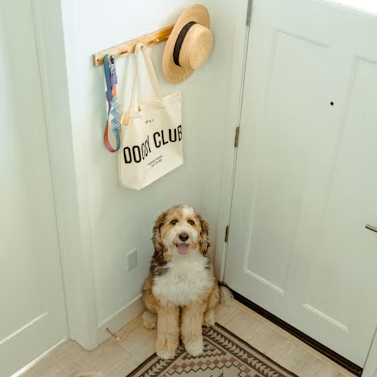
Bernedoodle Car Safety Guide: How to Keep Your Dog Safe on Every Drive
Many Bernedoodles enjoy going for a ride in the car. A trip to the veterinarian, a visit to family, a grooming appointment, a weekend adventure, or even a short drive around town can become part of your dog’s normal routine.
However, riding in a vehicle safely requires more than simply opening the door and letting your Bernedoodle jump inside.
A large dog moving freely around a vehicle can become a distraction for the driver and may be injured if the vehicle stops suddenly. Even a calm dog can react unexpectedly to traffic, unfamiliar sounds, or something outside the window.
Creating safe car habits from an early age can help make driving more comfortable and predictable for your Bernedoodle.
Why Car Safety Matters for Bernedoodles
Bernedoodles can become excited when they recognize that a car ride is coming.
Some dogs immediately head toward the vehicle when they see the door open. Others may be hesitant, especially if they are young or have not spent much time in cars.
Regardless of your dog’s personality, the goal should be the same: your Bernedoodle should have a secure place to ride and should learn that getting into the vehicle and traveling are calm activities.
A dog moving freely around the cabin can interfere with the driver, climb between seats, or attempt to reach the front of the vehicle.
Keeping your Bernedoodle appropriately restrained helps create a safer environment for everyone.
Choose an Appropriate Restraint
There are several ways to secure a dog in a vehicle.
Depending on your Bernedoodle’s size and your vehicle, options may include:
A properly secured travel crate
A vehicle-specific dog harness
A crash-tested canine restraint system
Another appropriate pet travel system designed for vehicle use
The equipment should be appropriate for your dog’s size and used according to the manufacturer’s instructions.
Avoid improvising with equipment that was not designed for vehicle travel.
The most important consideration is that your Bernedoodle remains safely contained without being able to roam freely around the vehicle.
Introduce Car Safety Equipment Gradually
A new harness or travel crate may feel strange to your Bernedoodle.
Instead of waiting until the day of a long trip, introduce the equipment at home.
Allow your dog to investigate it.
Reward calm behavior around the equipment.
If you are introducing a travel harness, let your Bernedoodle wear it for short periods while relaxing at home before using it during a drive.
If you use a crate, make sure your dog is already comfortable with the crate before expecting them to remain there during a longer vehicle trip.
The goal is to make the equipment familiar rather than introducing everything at once.
Start With Short Drives
Young Bernedoodles do not need to begin with a long road trip.
Start with short drives.
You might simply drive around the neighborhood before gradually increasing the length of the trips.
Keep the experience calm and positive.
This allows your dog to become familiar with:
Vehicle sounds
Engine vibrations
Turns
Braking
Road noise
Traffic
Getting in and out
Being restrained while moving
Short experiences can build confidence over time.
Practice Getting Into the Vehicle
Getting into a vehicle should be a calm routine rather than a wrestling match.
If your Bernedoodle is comfortable jumping into the vehicle, you can teach a consistent cue for getting inside.
If your dog is too large to comfortably jump into the vehicle, consider using an appropriate ramp or another safe method of entry.
Do not repeatedly encourage a dog to make a jump that appears difficult or uncomfortable.
As Bernedoodles grow and age, their ability to get into vehicles may change.
Do Not Allow Your Bernedoodle to Ride in the Driver’s Lap
A dog sitting on the driver’s lap may seem cute, but it creates a serious distraction.
Your dog can interfere with steering, pedals, visibility, and other vehicle controls.
Even a small movement at the wrong moment can create a dangerous situation.
Your Bernedoodle should have their own secure location inside the vehicle.
Avoid Letting Your Dog Ride in the Front Seat
The front passenger area may seem like the best place for a dog because your Bernedoodle can stay close to you.
However, airbags are designed for human passengers and can seriously injure a dog if deployed.
The back seat or another appropriate secured area is generally a better location.
Follow the instructions for your chosen restraint system and vehicle.
Keep Your Bernedoodle’s Head Inside the Vehicle
Dogs often love sticking their heads out of open windows.
The smells and movement can be exciting.
However, allowing your dog to put their head outside the vehicle creates risks from debris, insects, sudden stops, and nearby objects.
Your Bernedoodle can still enjoy looking out of the window from a secure position without having their head outside the vehicle.
Never Let Your Dog Ride Loose in a Pickup Bed
An unsecured dog in the open bed of a pickup truck can be exposed to significant hazards.
Your Bernedoodle could fall, jump out, be struck by debris, or be affected by sudden vehicle movement.
If your dog is traveling in a pickup truck, use an appropriate enclosed or otherwise properly secured transportation method.
The safest option should keep your dog protected inside the vehicle whenever practical.
Never Leave Your Bernedoodle Alone in a Hot Vehicle
A parked vehicle can become dangerously hot very quickly.
Cracking the windows does not make leaving a dog unattended in a hot vehicle safe.
Do not leave your Bernedoodle alone in a parked vehicle during warm weather.
Even on days that do not initially feel extremely hot, conditions inside a vehicle can change rapidly.
If your dog cannot safely accompany you somewhere, consider leaving them at home or arranging another appropriate option.
Cold Weather Requires Planning Too
Extreme cold can also create uncomfortable or unsafe conditions inside a vehicle.
If you are traveling during very cold weather, think about how long your Bernedoodle will be waiting in the vehicle and whether the temperature can remain comfortable.
Never assume that because your dog has a thick coat, they can safely remain unattended in a cold vehicle for extended periods.
Keep the Vehicle Comfortable
Dogs can become uncomfortable from excessive heat, cold, poor ventilation, or an overly crowded travel area.
Make sure your Bernedoodle has adequate space to sit, stand, and reposition themselves within their secure travel setup.
Keep the interior comfortable and avoid placing your dog where direct sunlight creates excessive heat.
If your dog is panting heavily or appears distressed, stop when it is safe to do so and assess the situation.
Bring Water for Longer Drives
Longer drives require additional preparation.
Bring fresh drinking water and a suitable bowl.
A collapsible travel bowl can make it easier to offer water during breaks.
Do not wait until your Bernedoodle is obviously thirsty before offering water.
Regular breaks provide opportunities to drink, stretch, and take a bathroom break.
Plan Regular Breaks
Dogs should not be expected to remain in one position for an excessively long drive without appropriate breaks.
During longer trips, plan stops where your Bernedoodle can safely get out, stretch, drink, and relieve themselves.
Always use a leash when taking your dog out of the vehicle in an unfamiliar area.
A dog that normally has excellent recall may become distracted by a new environment.
Secure the Leash Before Opening the Door
One simple habit can prevent a dangerous escape.
Before opening the vehicle door, make sure your Bernedoodle is properly secured with a leash or remains inside an appropriate secured travel setup.
Dogs can become excited when the door opens.
A sudden jump out of the vehicle can put your dog in the path of traffic or cause them to run into an unfamiliar area.
Create a consistent routine:
Secure the dog.
Open the door.
Attach the leash if necessary.
Give your release cue.
Then allow your Bernedoodle to exit.
Keep Your Dog’s Supplies Organized
For regular drives, it helps to keep a small set of dog supplies together.
Depending on the trip, you may want to carry:
Leash
Water
Bowl
Waste bags
Towel
Dog identification
Familiar blanket
Appropriate food
Any regularly needed medications
Emergency contact information
Keeping these items organized means you do not have to search through the vehicle before every outing.
Bring a Familiar Blanket
A familiar blanket can make the vehicle feel more comfortable.
It can also protect the vehicle’s interior from dirt and shed hair.
Choose something that your Bernedoodle already recognizes.
Familiar smells can provide reassurance, especially during longer trips or when your dog is still becoming comfortable with vehicle travel.
Reduce Distractions Inside the Vehicle
Your Bernedoodle may become excited when they see people, animals, bicycles, or other vehicles through the window.
Some dogs bark or move around when they see something interesting.
A secure travel position can reduce unnecessary movement.
If your dog becomes highly distracted by the view outside, adjusting their position may help them settle.
The driver should always be able to concentrate on the road.
Be Careful When Your Bernedoodle Gets Motion Sick
Some dogs experience nausea during car rides.
A young Bernedoodle may improve as they become accustomed to traveling, but repeated vomiting or significant distress should not simply be ignored.
If your dog consistently becomes sick in the car, discuss the problem with your veterinarian.
Your veterinarian can help determine whether motion sickness, anxiety, or another issue may be contributing.
Make the Vehicle a Positive Place
You want your Bernedoodle to associate the vehicle with calm experiences.
Not every car ride needs to end at the veterinarian.
Take your dog on short trips that lead to enjoyable activities such as an appropriate walk, visiting family, or exploring a new safe location.
This can prevent your Bernedoodle from learning that getting into the vehicle always means something stressful is about to happen.
Teach Your Bernedoodle to Wait Before Exiting
A simple waiting routine can make getting out of the vehicle much safer.
Instead of allowing your dog to immediately jump out when the door opens, teach them to wait until you give permission.
Practice this while the vehicle is parked in a secure location.
Open the door slightly.
If your Bernedoodle waits, reward the behavior.
Gradually work toward opening the door fully while your dog remains in place.
Then provide a release cue.
This creates a useful habit that can become especially important in parking lots and unfamiliar locations.
Older Bernedoodles May Need Different Vehicle Support
As your Bernedoodle ages, getting into and out of the vehicle may become more difficult.
A dog that once jumped into the car without hesitation may eventually prefer a ramp or additional assistance.
Pay attention to changes in movement.
If your older Bernedoodle hesitates before entering the vehicle, struggles with the jump, or appears uncomfortable afterward, consider a safer method of entry.
Your veterinarian can also provide guidance if mobility has changed.
Clean the Vehicle After Outdoor Adventures
Bernedoodles can bring plenty of dirt, grass, mud, and water into a vehicle after outdoor activities.
Keeping a towel available can make cleanup easier.
Regularly check the travel area for debris and clean it appropriately.
This is particularly helpful after hiking, swimming, muddy walks, or rainy-weather adventures.
Make Car Safety a Lifelong Habit
Car safety is not something you only need to teach a puppy.
Your Bernedoodle should continue using appropriate vehicle safety practices throughout life.
Dogs can become less predictable when they are sick, frightened, excited, or exposed to unfamiliar environments.
Keeping the same basic rules every time helps make safe travel a normal part of your dog’s routine.
Safe Car Rides Start With Preparation
A car ride can be one of the simplest ways to include your Bernedoodle in family activities.
The key is making safety part of the routine.
Use an appropriate restraint, keep your dog away from the driver, avoid dangerous vehicle conditions, provide water and breaks during longer trips, and make sure your Bernedoodle is secure before opening the door.
Start with short rides and gradually build your dog’s comfort.
With consistent habits, your Bernedoodle can learn that getting into the vehicle means it is time to settle down, stay secure, and enjoy the ride.
Safe transportation is ultimately another part of responsible Bernedoodle ownership, allowing your dog to accompany the family while keeping everyone in the vehicle as safe and comfortable as possible.
Read Next: Bernedoodle Paw Care Guide: How to Keep Your Dog’s Feet Healthy and Comfortable