
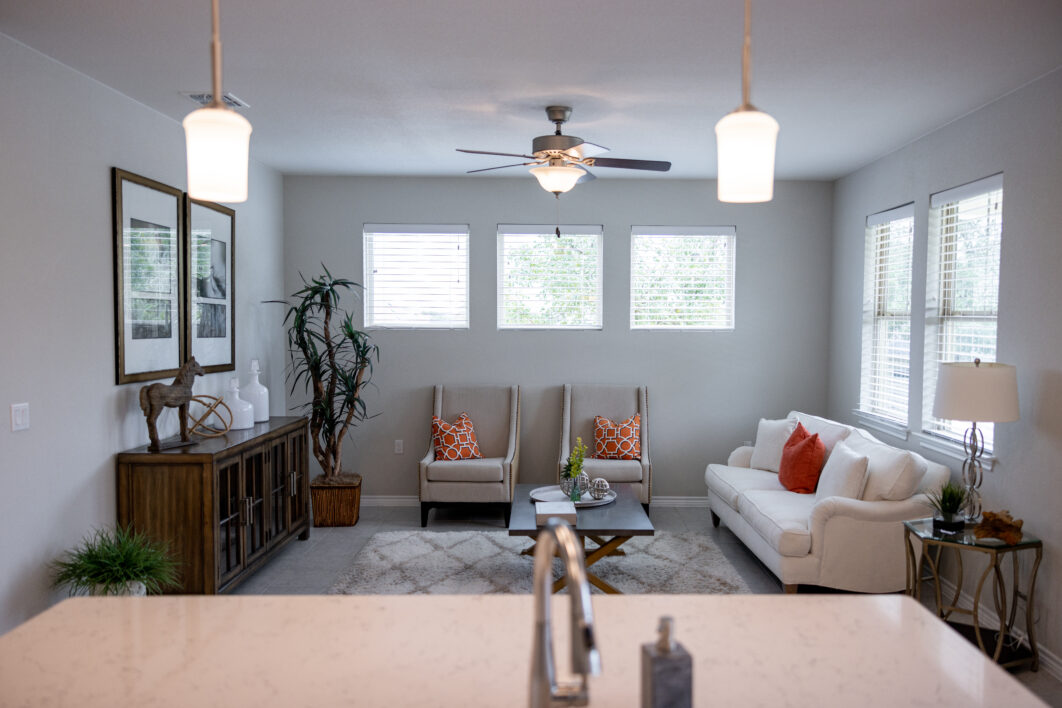
Bernedoodle Apartment Living: How to Help Your Dog Thrive in a Smaller Home
Living in an apartment does not automatically mean you cannot enjoy life with a Bernedoodle. With thoughtful preparation, consistent training, appropriate exercise, and a comfortable home environment, many Bernedoodles can adapt well to apartment living.
However, a successful experience depends on more than the size of your home. Your dog’s age, adult size, energy level, temperament, and ability to settle indoors all influence how well apartment life works. Bernedoodles can vary considerably, so it is important to prepare for the individual dog rather than relying on general breed expectations.
For families considering a Bernedoodle, understanding the practical realities of apartment living can help determine whether this environment is a good fit. From managing barking and navigating shared spaces to establishing bathroom routines and providing daily enrichment, a little planning can make everyday life easier for both you and your dog.
Understanding Whether a Bernedoodle Can Live in an Apartment
One common misconception is that larger dogs cannot live comfortably in smaller homes. In reality, indoor space is only one part of a dog’s overall environment. Exercise opportunities, training, companionship, and the ability to relax are also important.
A Bernedoodle that receives appropriate activity and learns to settle indoors may adapt well to an apartment. However, a small apartment does not eliminate the need for regular walks, playtime, training, and outdoor bathroom breaks.
Bernedoodles can also differ in size. Some are smaller, while others grow into large dogs that may weigh considerably more than expected by families who have only met them as puppies. Montana Berners specializes in Reverse F1B Bernedoodles, which are described as approximately 75 percent Bernese Mountain Dog and 25 percent Standard Poodle. These dogs may grow into substantial adult companions, so prospective owners should consider their expected adult size before choosing an apartment.
Think about how much usable floor space you have, whether your dog will have a comfortable resting area, and how easily you can move through the home together. A large dog needs room to turn around, stretch out, and rest without constantly being disturbed.
Your building’s pet policies are equally important. Check size restrictions, breed rules, pet fees, elevator requirements, and any regulations about shared outdoor spaces before bringing a puppy home.
Choose an Apartment That Supports Your Dog’s Needs
Not all apartments provide the same living conditions for dogs. The layout of your home, its location, access to outdoor areas, and the amount of noise in the building can all influence your Bernedoodle’s comfort.
An apartment with easy outdoor access may simplify bathroom breaks, especially during puppyhood. If you live several floors above ground level, you will need a reliable plan for taking your puppy outside frequently.
Consider the location of elevators, stairwells, sidewalks, and nearby green spaces. These areas will become part of your everyday routine, so they should be reasonably accessible and safe.
Pay attention to noise levels as well. Apartments near busy roads, shared hallways, elevators, or communal entrances may expose your dog to frequent sounds and movement. Some dogs adjust easily, while others need help learning that these everyday noises are not a reason to bark or become alarmed.
If possible, choose a location where your Bernedoodle can rest away from the busiest areas of the home. A quiet corner with comfortable bedding can provide a dependable place to relax.
Create a Comfortable Indoor Environment
Your Bernedoodle does not need an elaborate living space, but it does need a comfortable place to sleep, rest, and spend time with the family.
Start by choosing a dog bed or resting area that accommodates your dog’s current size and allows room to stretch. If you are raising a puppy expected to become a large adult, consider how you will adjust the sleeping arrangements as the dog grows.
Keep food and water bowls in a consistent location. Stainless steel or ceramic bowls can be practical options because they are generally easy to clean.
Store toys, grooming supplies, leashes, and waste bags where you can access them easily. An organized setup helps make daily care more convenient, particularly when you need to leave the apartment quickly for a bathroom break.
Protect household items from curious puppies. Keep electrical cords, cleaning products, medications, small objects, and potentially dangerous foods out of reach. Use secure storage for anything your dog might chew or swallow.
If your apartment has a balcony, make sure the space is securely enclosed and that your dog cannot squeeze through gaps, climb over barriers, or reach dangerous objects. A balcony should never be treated as a substitute for supervised outdoor exercise or bathroom breaks.
Establish a Reliable Bathroom Routine
Bathroom access is one of the biggest practical considerations when raising a Bernedoodle in an apartment.
Young puppies generally need frequent opportunities to relieve themselves, particularly after waking up, eating, drinking, playing, and training. Waiting too long can lead to accidents and make house training more difficult.
Take your puppy outside regularly and reward appropriate bathroom behavior immediately. Use a consistent phrase or cue if you find it helpful, and return to the same general outdoor area when practical.
Plan for nighttime bathroom trips during early puppyhood. If you live in a building with elevators or several flights of stairs, keep a leash, waste bags, and other essentials ready near the door.
Adult dogs also benefit from a predictable schedule. Work, errands, and social activities should be planned around your dog’s bathroom needs rather than expecting the dog to wait unreasonably long.
If your schedule requires extended time away, consider arranging help from a trusted dog walker or pet sitter. Puppies in particular may need more frequent attention than a typical adult dog.
Indoor potty pads may be useful in certain circumstances, but they can complicate outdoor house training if they are used inconsistently. Choose an approach that suits your living situation and maintain a clear routine.
Provide Daily Exercise Outside the Apartment
A comfortable apartment is not a replacement for physical activity. Bernedoodles need opportunities to walk, explore, play, and move their bodies in ways appropriate for their age and health.
Daily walks can provide exercise while allowing your dog to experience different smells, sights, and sounds. You do not need to make every walk long or intense. Shorter outings spread throughout the day can be useful, especially for puppies.
As your Bernedoodle matures, you can adjust the length and intensity of activities to suit its individual needs. Avoid assuming that every Bernedoodle requires the same exercise schedule. Age, body condition, health, and temperament all matter.
Nearby parks, suitable walking trails, and quiet streets can help provide variety. Follow local leash requirements and keep your dog under control in shared public spaces.
If your building has a communal dog area, check its rules and condition before using it. Not every dog enjoys busy dog parks, and crowded spaces may be overwhelming for puppies that are still developing confidence.
Pay attention to your dog’s response to exercise. Excessive fatigue, limping, unusual breathing, or reluctance to continue are reasons to stop and assess the situation. Ask your veterinarian for age-appropriate exercise guidance, particularly while your puppy is growing.
Prevent Excessive Barking in Shared Buildings
Barking can become a concern in apartment buildings because neighbors may hear noises that would be less noticeable in a detached home.
Bernedoodles may bark in response to hallway activity, unfamiliar visitors, other dogs, or sounds outside the apartment. Some dogs also bark when they feel bored, frightened, or frustrated.
Begin by identifying what triggers the behavior. If your Bernedoodle barks whenever someone passes the door, try reducing access to the doorway and rewarding calm behavior when hallway sounds occur.
You can also use background noise to soften sounds from outside the apartment. Closing windows and moving your dog’s resting area away from the entrance may help reduce reactions.
Teach your dog a calm alternative behavior, such as going to a bed or settling on a mat. Reward your Bernedoodle when it remains relaxed rather than waiting until barking has escalated.
Avoid yelling in response to barking. Your dog may interpret your raised voice as additional excitement, making the situation worse.
If barking occurs mainly when your dog is alone, investigate whether separation-related distress may be involved. Repeated barking, destructive behavior, escape attempts, or intense distress during absences may require help from a qualified professional.
Teach Your Bernedoodle to Navigate Shared Spaces
Apartment living involves regular contact with neighbors, visitors, delivery workers, and other dogs. Hallways, elevators, stairwells, and building entrances can become important training environments.
Teach your Bernedoodle to walk calmly on a leash and wait before entering or leaving an elevator. Keep your dog close enough to maintain control without forcing it into uncomfortable interactions.
Before opening your apartment door, check the hallway when possible. This can prevent your dog from rushing toward a neighbor or unexpectedly encountering another animal in a confined space.
Do not assume that everyone wants to greet your dog. Ask before allowing your Bernedoodle to approach another person or pet, and respect people who prefer distance.
Elevators can be especially challenging because several people and dogs may share a small space. If your Bernedoodle appears uncomfortable or overly excited, wait for another elevator rather than forcing an interaction.
Consistent practice helps your dog learn that shared spaces are places for calm movement rather than uncontrolled excitement.
Make Indoor Time Mentally Engaging
Apartment living often requires owners to become creative about indoor activities. Physical exercise is important, but mental engagement can also help your Bernedoodle remain occupied and develop useful skills.
Short training sessions are an easy place to start. Practice familiar cues such as sit, wait, come, and settle. You can also work on polite leash preparation, handling exercises, and calm behavior around everyday household sounds.
Food puzzles and appropriate interactive toys can provide additional stimulation. Introduce new items gradually and supervise your dog to ensure the toys are safe and suitable for its chewing habits.
You can also use simple games that encourage your Bernedoodle to find a favorite toy or search for a few pieces of kibble in an appropriate area. Keep activities manageable so your dog does not become frustrated or overstimulated.
Rotate toys periodically to maintain interest without filling the apartment with unnecessary clutter.
Remember that enrichment should complement walks, social experiences, rest, and training. It should not be used to justify leaving a dog without sufficient outdoor activity or companionship.
Help Your Bernedoodle Feel Comfortable When Home Alone
Apartment residents may have concerns about leaving a dog alone because barking or other behaviors can affect nearby neighbors. Preparing your Bernedoodle for short periods of separation is therefore an important part of the routine.
Begin by helping your puppy feel comfortable resting independently while you are still at home. Provide a safe environment and reward calm behavior when your dog settles without constant attention.
Practice brief absences and increase the duration gradually, provided your Bernedoodle remains comfortable. Keep departures and returns calm rather than turning them into highly exciting events.
A camera may help you observe what happens after you leave. Look for signs such as persistent pacing, barking, destructive behavior, or repeated attempts to escape.
If your dog shows significant distress, avoid simply extending the time alone in the hope that it will adjust. Speak with your veterinarian or a qualified behavior professional about an appropriate plan.
Arrange dog-walking or pet-sitting assistance when your schedule exceeds what your dog’s age and needs allow. A reliable support system can make apartment living more manageable for everyone.
Keep Your Apartment Clean and Manage Shedding
Cleanliness is another important consideration, especially when sharing a smaller space with a dog.
Bernedoodles can have different coat types. Some have wavy or curly coats that may shed less, while others have straighter coats that resemble the Bernese Mountain Dog coat and can shed more noticeably.
A lower-shedding coat should not be assumed to be completely nonshedding or allergy-proof. Coat maintenance also varies, and curly or wavy coats may require frequent brushing and professional grooming to prevent mats.
Brush your Bernedoodle according to its coat type and keep a regular grooming schedule. Remove loose hair as needed and wash bedding regularly.
Wipe muddy paws after walks, clean food and water areas, and remove waste promptly. A small vacuum, washable mats, and easy-to-clean bedding can simplify apartment maintenance.
Regular grooming and cleaning also give you opportunities to notice skin irritation, unusual lumps, overgrown nails, or other changes that may need attention.
Prepare for the Challenges of Puppyhood
Raising a Bernedoodle puppy in an apartment can be rewarding, but it requires realistic expectations.
Puppies may wake during the night, chew household items, have bathroom accidents, and struggle to settle when they are overstimulated. These behaviors are not necessarily signs that apartment living is unsuitable, but they do require time and consistency.
Create a routine that includes bathroom breaks, meals, naps, play, and short training sessions. Puppies need plenty of rest, so avoid filling every available moment with activity.
Use management tools such as baby gates, a suitable exercise pen, and a safe resting area to prevent your puppy from wandering into unsafe spaces.
If your building has strict noise rules, consider how you will respond to nighttime whining and early-morning bathroom needs. Planning ahead can reduce stress for both you and your neighbors.
Remember that your puppy’s needs will change as it grows. The routines that work during the first few weeks may need adjustments as your Bernedoodle becomes larger, more confident, and more active.
Is Apartment Living the Right Choice for Your Bernedoodle?
Before deciding whether to bring a Bernedoodle into an apartment, evaluate your lifestyle honestly.
Consider how much time you can devote to walks, training, grooming, and companionship. Think about your work schedule, access to outdoor areas, building regulations, and the practical challenges of caring for a potentially large adult dog.
A family that enjoys daily walks and can provide consistent care may be well suited to apartment living. Someone who is away for long hours without access to reliable pet care may find the arrangement more difficult.
Also consider the long-term financial commitment. Food, grooming, veterinary visits, training, pet deposits, and unexpected expenses should all be part of your planning.
If possible, learn about the expected adult size and coat characteristics of the particular Bernedoodle you are considering. Responsible breeders should help prospective owners understand that individual puppies can develop differently.
There is no single home size that guarantees a good life for every dog. The most important question is whether you can consistently meet your Bernedoodle’s physical, emotional, and social needs in your specific environment.
Helping Your Bernedoodle Thrive in an Apartment
Bernedoodles can adapt to apartment living when their needs are carefully considered and consistently met. A comfortable resting area, reliable bathroom schedule, regular outdoor exercise, mental enrichment, and calm behavior training all contribute to a more successful experience.
Owners should also plan for adult size, coat maintenance, shared-building etiquette, and the time required to raise a puppy. These practical considerations are especially important when choosing a Bernedoodle expected to grow into a large companion.
At Montana Berners, we believe that choosing a dog should involve thoughtful preparation and a realistic understanding of long-term responsibilities. With the right environment and a commitment to responsible care, apartment residents may be able to provide a Bernedoodle with a happy, fulfilling home.
Read Next: Bernedoodle Noise Anxiety: Helping Your Dog Stay Calm During Thunderstorms and Loud Sounds