
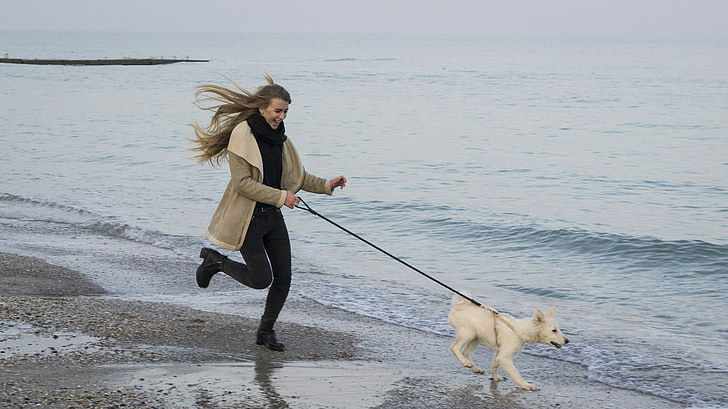
How to Teach Your Bernedoodle Better Leash Manners on Walks
Teaching good leash manners takes patience and consistency. Bernedoodles are intelligent dogs, and many enjoy learning when training is positive, rewarding, and easy to understand. With regular practice, your dog can learn to walk beside you without pulling and respond more calmly to the sights, sounds, and smells along the way.
Start With the Right Equipment
The right walking equipment can make training safer and more comfortable. Choose a well-fitted harness or collar that does not rub, restrict movement, or allow your dog to slip free.
A standard leash around four to six feet long gives you useful control while allowing your Bernedoodle some room to move. Avoid retractable leashes during leash-manners training because they can make it harder to maintain a consistent walking distance.
A front-clip harness may help manage pulling for some dogs, but equipment alone does not teach loose-leash walking. Training is still necessary. Make sure the harness fits properly and check it regularly as your Bernedoodle grows or changes weight.
Teach Loose-Leash Walking Indoors First
Before practicing on a busy sidewalk, begin in a quiet indoor space. Your home or a calm hallway can provide fewer distractions and make it easier for your Bernedoodle to focus.
Hold a small treat near your side. When your dog walks beside you with a relaxed leash, offer the treat and praise. Take a few steps, reward again, and gradually increase the distance between rewards.
If your Bernedoodle moves ahead and tightens the leash, stop walking. Wait until your dog turns toward you or returns closer to your side. Reward that choice, then continue.
Keep early sessions short. A few minutes of successful practice can be more useful than a long session that leaves your dog distracted or frustrated.
Reward the Behavior You Want
Positive reinforcement helps your Bernedoodle understand which behaviors make walks enjoyable. Reward your dog when the leash stays loose, when they check in with you, and when they respond to a cue.
Useful rewards include:
- Small, soft treats that are easy to eat while walking
- Verbal praise in a calm, upbeat voice
- A brief opportunity to sniff an interesting area
- A few steps toward a favorite destination
Food rewards are especially useful when teaching a new skill. As your Bernedoodle improves, gradually vary the rewards while continuing to reinforce good walking choices.
Avoid waiting until your dog has pulled for several minutes before offering a reward. Instead, notice and reinforce the moments when your dog is already walking well.
Use a Consistent Cue
Choose a simple phrase such as “with me” or “let’s walk.” Say the cue when you are ready to move forward and reward your Bernedoodle for staying near you.
Use the same phrase consistently. If everyone in the household uses different words or allows different walking rules, your dog may struggle to understand what is expected.
You can also teach a separate cue such as “let’s go” to encourage your dog to move away from a distraction. Keep cues clear and avoid repeating them over and over. Give your Bernedoodle a moment to respond, then guide the situation calmly.
Practice Around Distractions Gradually
Outdoor walks introduce many distractions, including other dogs, people, bicycles, birds, and unfamiliar smells. A Bernedoodle that walks nicely indoors may find it difficult to focus outside at first.
Begin in a quiet area, such as a low-traffic street or an open space with plenty of room. As your dog becomes more reliable, gradually practice in busier environments.
If your Bernedoodle becomes overly excited, increase the distance from the distraction. A dog that is too stimulated to respond may need more space, not more commands.
Reward your dog for looking at a distraction and then turning back toward you. This teaches that noticing something interesting does not mean pulling toward it.
Manage Pulling Without Turning the Walk Into a Tug-of-War
When your Bernedoodle pulls, avoid yanking the leash or pulling your dog backward. Sudden pressure can be uncomfortable and may increase frustration.
Instead, stop moving forward. When the leash relaxes, reward your dog and continue. You can also calmly change direction before the leash becomes tight, encouraging your dog to pay attention to your movement.
Consistency matters. If pulling sometimes gets your Bernedoodle to a desired destination, the behavior may continue because it has been rewarded. Try to make forward movement depend on a relaxed leash.
For safety, maintain a secure grip and use a well-fitted harness or collar. If your dog is large, strong, or difficult to control, consider working with a qualified positive-reinforcement trainer.
Give Your Bernedoodle Time to Sniff
A walk is not only exercise. It is also an opportunity for your dog to explore the environment through smell.
Allow planned sniffing breaks. You might use a cue such as “go sniff” to signal that your Bernedoodle can investigate a safe area. When the break is over, use your walking cue to continue.
This balance can make walks more satisfying. Your dog learns that staying near you does not mean losing every opportunity to explore.
Choose safe places for sniffing and keep your dog away from discarded food, harmful plants, sharp objects, and other hazards.
Keep Walks Appropriate for Your Dog
Bernedoodles vary in size, energy level, and physical development. Puppies may need shorter walks and more frequent breaks, while adult dogs may be ready for longer outings.
Avoid pushing your dog to continue when they seem tired, overheated, or uncomfortable. Pay attention to the weather, especially during hot conditions, and bring water when appropriate.
If your Bernedoodle is still growing, ask your veterinarian about suitable exercise levels. Training walks can be short and focused without requiring long distances.
Make Training a Regular Habit
Leash manners improve through repetition. Practice during everyday outings, but keep your expectations realistic. Your Bernedoodle may walk beautifully in a quiet neighborhood and still need help in a crowded park.
Focus on one skill at a time. You might work on walking beside you for a few steps one day, responding to a cue around mild distractions the next, and calmly passing people later.
End sessions on a positive note whenever possible. If your dog is struggling, make the environment easier rather than continuing to increase the challenge.
Build Better Walks Through Patience
Teaching Bernedoodle leash manners is a gradual process. Pulling, stopping, and getting distracted are common challenges, especially while your dog is young or learning a new environment.
Use comfortable equipment, reward loose-leash walking, practice in manageable settings, and stay consistent about how you respond to pulling. With time, your Bernedoodle can learn that walking calmly beside you is rewarding.
A well-mannered walk is not about keeping your dog perfectly at your side every second. It is about creating a safe, enjoyable experience where you and your dog can explore together.
Read Next: How to Help Your Bernedoodle Stay Calm When Guests Visit Your Home