
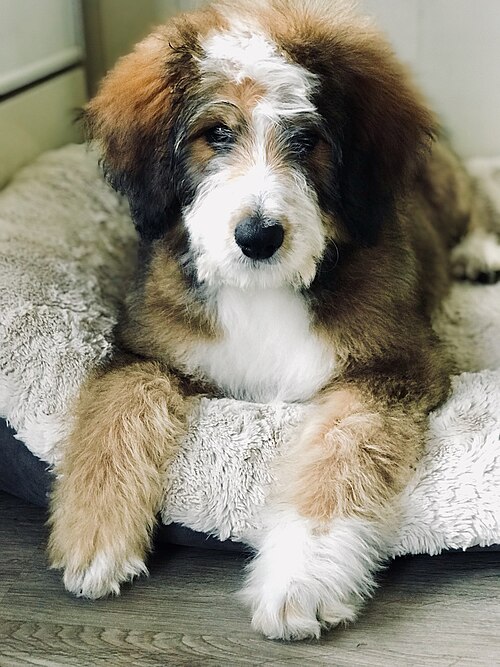
Bernedoodle Feeding Schedule: How Much and How Often Should You Feed Your Dog?
Feeding a Bernedoodle properly is an important part of keeping your dog healthy, active, and comfortable throughout every stage of life. Because Bernedoodles can vary significantly in size depending on whether they are miniature, medium, or standard, there is no single feeding schedule that works perfectly for every dog.
A Bernedoodle puppy has different nutritional needs than an adult Bernedoodle, while a senior dog may require changes to portions, meal frequency, or overall diet. Activity level, body condition, age, and individual health needs can also influence how much food a dog should receive.
Creating a consistent feeding routine can make daily life easier while also helping owners monitor their Bernedoodle’s appetite and overall condition.
Understanding Bernedoodle Feeding Needs
Bernedoodles are a cross between Bernese Mountain Dogs and Poodles, which means they can have a wide range of body sizes and builds.
A smaller Bernedoodle may require considerably less food than a large standard Bernedoodle. Puppies also generally require more frequent meals than mature dogs because they are growing rapidly.
Instead of relying only on a general feeding amount, owners should consider the feeding instructions provided for their dog’s specific food along with guidance from their veterinarian.
Food labels can provide a starting point, but individual dogs may need adjustments based on their body condition and activity level.
How Often Should a Bernedoodle Eat?
Meal frequency often changes as a Bernedoodle grows.
Young puppies generally benefit from multiple meals throughout the day because they have smaller stomachs and are still developing.
As a puppy gets older, meals can gradually become less frequent.
An adult Bernedoodle will commonly eat two meals per day, although individual feeding schedules can vary.
A consistent routine can help your dog know when food is available and can also make it easier for owners to notice changes in appetite.
Bernedoodle Puppy Feeding Schedule
Puppies require special attention because they are developing rapidly.
A young Bernedoodle puppy may need three or more meals per day depending on age, size, and individual needs.
A basic routine might look like:
Morning: Breakfast
Midday: Lunch
Evening: Dinner
As the puppy matures, the midday meal may eventually be removed as recommended by your veterinarian.
Owners should avoid making sudden changes to a puppy’s feeding schedule. Gradual adjustments are generally easier for a young dog’s digestive system.
Choosing Food for a Bernedoodle Puppy
Puppy food should be formulated to support growth and development.
Large-breed Bernedoodle puppies may have different nutritional considerations than smaller puppies, particularly when it comes to controlled growth.
Choosing a food appropriate for the puppy’s expected adult size can therefore be important.
Rather than selecting food based only on marketing claims, look for a complete and balanced diet appropriate for your puppy’s life stage.
Your veterinarian can also help determine whether a particular food is appropriate for your Bernedoodle puppy.
How Much Food Does a Bernedoodle Need?
There is no universal portion size for Bernedoodles.
Two dogs of the same age can require different amounts of food depending on their size, metabolism, activity level, and body condition.
The feeding guide on the food package can provide a starting point.
Owners should then monitor their dog’s body condition rather than assuming the recommended amount is automatically perfect.
If your Bernedoodle is gaining excessive weight, the portion may need to be adjusted. If your dog is losing weight or appears unusually thin, a veterinarian should be consulted.
Why Overfeeding Can Be a Problem
Bernedoodles can be enthusiastic eaters, and it can be easy to give too much food when treats, table scraps, and meals are all added together.
Excess weight can place additional stress on a dog’s joints and make physical activity more difficult.
This is especially important for growing Bernedoodle puppies because owners want to support healthy development without encouraging excessive weight gain.
Measuring meals rather than estimating portions can make feeding more consistent.
Using a measuring cup or another appropriate measuring method can help owners keep track of how much food their dog receives each day.
Treats Count Too
Training treats are useful for Bernedoodles because these intelligent dogs often respond well to positive reinforcement.
However, treats still contribute calories.
If a dog receives numerous treats throughout the day, the amount of regular food may need to be considered as part of the overall daily intake.
Small treats can be especially useful during training because they allow owners to reward good behavior without giving large amounts of food.
Another option is to use a portion of the dog’s regular food as training rewards.
Avoiding Excessive Table Scraps
It can be tempting to share food with a Bernedoodle, especially when the dog is sitting nearby looking interested.
However, regularly feeding table scraps can make it difficult to maintain a consistent diet.
Some human foods can also be unsafe for dogs.
Owners should be particularly careful with foods containing ingredients that are toxic to dogs, such as chocolate, grapes and raisins, onions, garlic, and certain artificial sweeteners.
When in doubt about whether a food is safe, consult a veterinarian before giving it to your Bernedoodle.
Feeding a Bernedoodle on a Schedule
A consistent feeding schedule can provide structure throughout the day.
For example, an adult Bernedoodle might eat breakfast at approximately the same time each morning and dinner at approximately the same time each evening.
The exact schedule is less important than maintaining a routine that works for the household and the dog’s needs.
Regular meal times can also make bathroom routines easier to predict.
This can be particularly helpful for puppies that are still working on house training.
Free Feeding Versus Scheduled Meals
Some owners leave food available throughout the day, while others provide meals at specific times.
Free feeding may make it harder to determine exactly how much a dog has eaten.
Scheduled meals allow owners to measure portions and monitor appetite more easily.
This can be particularly useful if a Bernedoodle suddenly stops eating.
If food is always available, an owner may not immediately notice that the dog has consumed less than usual.
With scheduled meals, changes in eating habits can become more obvious.
Monitoring Your Bernedoodle’s Body Condition
The number on a scale is only one way to monitor a dog’s condition.
Owners should also pay attention to their Bernedoodle’s overall body shape.
A healthy body condition generally includes a visible waist when viewed from above and ribs that can be felt without being heavily covered by fat.
The ideal body condition can vary between individual dogs.
If you are unsure whether your Bernedoodle is too thin, overweight, or at an appropriate weight, ask your veterinarian to evaluate the dog’s body condition.
Adjusting Food as Your Bernedoodle Grows
A Bernedoodle’s nutritional requirements can change considerably during its first year.
A puppy that once needed several meals each day may eventually transition to an adult feeding schedule.
Food portions may also need to change as growth slows and the dog’s activity level changes.
Owners should periodically review the feeding routine rather than continuing to give the exact same amount of food indefinitely.
Changes should be made gradually whenever possible.
What to Do If Your Bernedoodle Eats Too Quickly
Some Bernedoodles may eat their meals extremely fast.
Rapid eating can make mealtime less comfortable and may cause some dogs to swallow large amounts of air along with their food.
If your dog consistently gulps meals, talk with your veterinarian about appropriate ways to slow eating.
A properly designed slow-feeder bowl or food puzzle may be useful for some dogs, provided the item is safe and appropriate for the individual dog.
Owners should also monitor dogs when introducing new feeding equipment.
Feeding and Exercise
Meal timing can be considered alongside your Bernedoodle’s activity routine.
Dogs generally benefit from having appropriate rest around meals rather than immediately engaging in intense activity after eating.
The exact needs will vary based on the individual dog, size, age, and activity level.
If you have concerns about exercise and meal timing, particularly with a large Bernedoodle, your veterinarian can provide guidance appropriate for your dog.
Fresh Water Is Essential
Food is only one part of your Bernedoodle’s daily nutritional routine.
Fresh, clean water should be available regularly.
Dogs may drink more when the weather is hot, when they are exercising, or when their diet contains less moisture.
Monitor your Bernedoodle’s normal drinking habits.
A sudden increase or decrease in water consumption can sometimes indicate an underlying problem and should be discussed with a veterinarian if it is persistent or accompanied by other changes.
Changing Your Bernedoodle’s Food
If you decide to change your Bernedoodle’s food, avoid making the switch abruptly unless a veterinarian specifically recommends doing so.
A sudden dietary change can cause digestive upset in some dogs.
Instead, many owners transition gradually by mixing increasing amounts of the new food with the previous food over several days.
The exact transition period can vary depending on the individual dog and the foods involved.
If your Bernedoodle develops significant vomiting, diarrhea, refuses food, or shows other concerning symptoms during a diet change, contact your veterinarian.
Food Allergies and Sensitivities
Some dogs experience food allergies or dietary sensitivities.
Possible signs can include digestive problems, skin irritation, itching, or recurring ear problems.
These symptoms can have many possible causes, so owners should not automatically assume that a particular ingredient is responsible.
If you suspect your Bernedoodle has a food allergy or sensitivity, speak with your veterinarian.
A veterinarian may recommend a structured dietary trial or other evaluation rather than repeatedly switching foods without a plan.
Feeding Senior Bernedoodles
As Bernedoodles get older, their nutritional needs may change.
Older dogs may become less active and therefore require fewer calories.
Some senior dogs also develop dental problems, changes in digestion, or other age-related concerns that can affect their feeding routine.
Regular veterinary examinations can help determine whether dietary changes are appropriate.
Senior Bernedoodles should not automatically be placed on a different diet simply because they have reached a certain age. Their individual condition and nutritional requirements should be considered.
Keeping Mealtime Consistent
Consistency can make feeding easier for both the dog and the owner.
Try to keep meal times reasonably predictable.
Measure food portions consistently.
Keep treats under control.
Provide fresh water.
Monitor body condition.
Pay attention to changes in appetite.
These simple habits can make it easier to identify potential problems before they become more difficult to address.
Signs Your Bernedoodle’s Appetite Has Changed
Owners should become familiar with their dog’s normal eating habits.
Contact your veterinarian if your Bernedoodle suddenly refuses food or experiences a significant change in appetite, particularly if the change continues or is accompanied by other symptoms.
Other signs that may warrant veterinary attention can include:
* Repeated vomiting
* Persistent diarrhea
* Unexplained weight loss
* Excessive thirst
* Significant changes in energy
* Difficulty chewing
* Trouble swallowing
* Persistent digestive problems
A change in appetite can have many possible causes, so it is better to investigate persistent changes rather than assuming the issue is simply picky eating.
Making Feeding Part of a Healthy Routine
Feeding your Bernedoodle is more than simply filling a bowl.
A good feeding routine combines appropriate nutrition, measured portions, regular meal times, fresh water, controlled treats, and ongoing observation.
Because Bernedoodles can range greatly in size and activity level, owners should avoid assuming that one feeding schedule works for every dog.
Puppies need support during their rapid growth period. Adult dogs need portions that help maintain a healthy body condition. Older Bernedoodles may need adjustments based on their changing activity level and individual health needs.
The most important thing is to pay attention to your individual Bernedoodle.
Watch how your dog eats, monitor body condition, keep track of changes, and work with your veterinarian when questions arise.
Final Thoughts on Bernedoodle Feeding
A consistent feeding routine can help your Bernedoodle maintain healthy habits throughout its life.
Start with a complete and balanced food appropriate for your dog’s life stage and size. Follow the manufacturer’s feeding guidance as a starting point, then adjust portions based on your dog’s individual needs and veterinary recommendations.
Avoid excessive treats and table scraps, keep fresh water available, and monitor changes in appetite or body condition.
As your Bernedoodle grows from puppy to adult and eventually into its senior years, its feeding needs may change.
By paying attention to those changes and maintaining a consistent routine, owners can make nutrition an important part of their Bernedoodle’s long-term care.
Read Next: Bernedoodle Behavior Problems: Common Issues and How to Correct Them